

Stainless Steel Pipe: A Flexible, High-Strength Metal
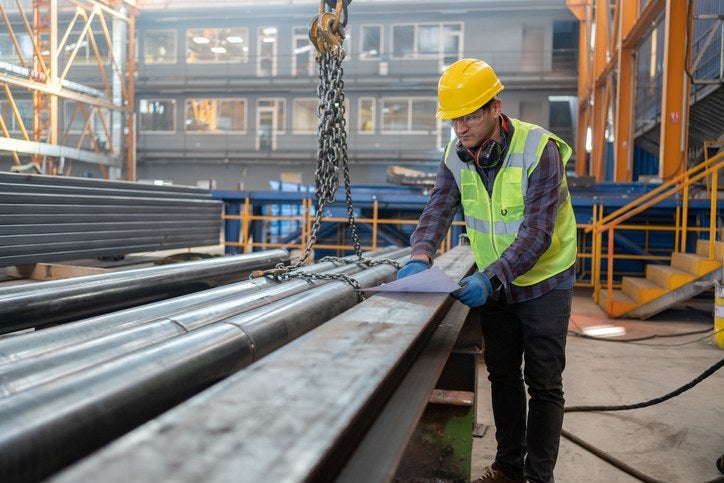
Are you sourcing pipe materials for a project that requires strength, corrosion resistance, and consistent performance? Stainless steel pipe is commonly specified for applications requiring explicit fluid transfer, pressure containment, or structural support. Available in seamless and welded forms, stainless steel tubing products are often preferred in processing, manufacturing, and energy sectors because they meet defined standards and perform reliably in demanding conditions.
What Is Stainless Steel Pipe?
Stainless steel is an alloy of iron, chromium, nickel, and other elements that give it corrosion resistance and strength. Stainless steel pipe is a hollow, cylindrical product specified by nominal size and schedule and is typically used for pressure-rated systems. Stainless steel tubing is specified by actual outside diameter and wall thickness and is used where tighter dimensional tolerances are required.
ASTM A312 and ASME SA312 cover seamless and welded austenitic stainless steel pipe. Seamless products are preferred for high-pressure or high-temperature applications. Welded stainless steel pipe is made by forming and welding flat strip or coil and is suitable where pressures and environments are within certain design limits. Stainless steel tubing is produced under separate ASTM standards, such as ASTM A213 for seamless tubing and ASTM A269 for general-purpose tubing.
Advantages of Stainless Steel Pipes
Stainless steel pipe and tubing offer several advantages in industrial settings:
- Corrosion resistance: The chromium content in stainless steel forms a passive oxide layer that resists rust. Grades like 304/304L and 316/316L are common choices for chemical environments.
- Strength and durability: Stainless steel pipe offers sufficient strength for pressure, structural, and mechanical applications. Grade designations often include mechanical property requirements to meet load-bearing or containment needs.
- Specification conformity: Industrial stainless steel tubing and pipe meet exact ASTM and ASME standards. Spec adherence helps ensure that components perform as expected.
- Versatility: Stainless steel pipe is available in various production methods and a range of diameters, schedules, and grades to suit many applications.
- Machinability and fabrication: Certain grades, like 304L, are easier to weld, with a reduced risk of carbide precipitation at weld zones. This factor is important for systems requiring welding during installation.
Applications for Stainless Steel Pipe
Stainless steel is the preferred material in a variety of industrial environments:
- Chemical processing: Pipes that convey corrosive fluids or gases require strength and resistance to chemical attack.
- Food and beverage production: Stainless steel pipe is specified where cleanability and non-reactivity are required.
- Pharmaceutical and biotechnology: Applications often require tubing and pipe that meet sanitary and quality standards.
- Marine and offshore: Corrosion resistance in saltwater and humid environments demands stainless alloys.
- Energy and power: Stainless pipe can serve steam, water, and process systems in conventional power plants and renewable installations.
- Manufacturing and industrial plant services: General fluid conveyance, high-pressure process lines, and heat-exchange systems all rely on stainless steel pipe or tubing that meets code requirements.
Why Choose Stainless Steel Over Other Materials?
When comparing materials, stainless steel stands out for its corrosion performance, impressive temperature range, and versatility. While alternatives like carbon steel or plastics may be suitable for some applications, they typically don’t offer the same corrosion resistance, mechanical properties, and specification compliance as industrial stainless steel pipe and tubing.
Tips for Selecting the Right Stainless Steel Pipe
Choosing the best stainless steel pipe for your industrial use case requires looking at the specifications and service conditions:
- Match the standard to the application: Determine which ASTM or ASME standard applies based on the pressure, temperature, and environment.
- Select the right grade: 304/304L is suitable for many general applications, while 316/316L offers greater resistance to chlorides and acidic environments.
- Compare production methods: Seamless stainless steel pipe is often specified for applications with high pressure or cyclic loads. Welded pipe may be acceptable, as long as the weld integrity meets the project requirements.
- Check wall thickness and schedule: Pipe wall thickness affects pressure ratings and is usually defined by schedule numbers (Schedule 40, Schedule 80, etc.). Ensure the selected schedule meets the design criteria.
- Obtain material test reports: This step lets you verify chemical composition and mechanical properties against the applicable ASTM or ASME standard. Require traceable documentation with each shipment to confirm compliance with the ordered specifications.
Source Stainless Steel Pipe for Your Next Project
If you’re looking for a reputable steel pipe supplier, turn to McKnight Steel & Tube Co. We have served industrial customers since 1954 as a family-owned wholesale distributor of tubing, pipe, and other metal products. We stock materials to ASTM and ASME specifications and aim for a quick turnaround time for stocked items. Our value-added processing includes precision cutting and preparation, so your order arrives ready for fabrication or installation. We deliver within 120 miles of our Philadelphia facility and ship across the U.S. via common carrier. Contact us today to request a quote or ask our team about the best stainless steel pipe and tubing for your needs.