

Galvanized vs Stainless Steel: What’s The Difference?
Key Differences Between Galvanized and Stainless Steel Explained
Understanding the difference between galvanized steel and stainless steel is important when selecting materials for construction, manufacturing, fabrication, and industrial applications. Although both materials resist corrosion, they achieve that protection differently and are designed for different environments. Knowing what is galvanized steel and what is stainless steel can help you choose the right material for your application.
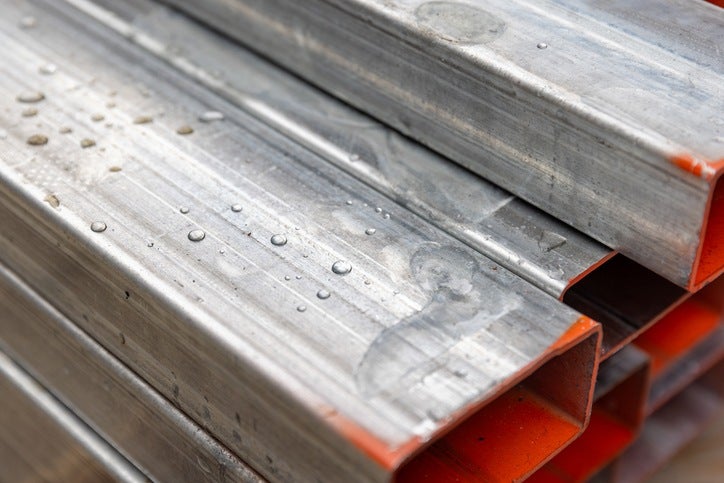
What Is Galvanized Steel?
Galvanized steel is carbon steel that has been coated with zinc to help protect it from corrosion. The zinc coating serves as a barrier between the steel and the environment while also providing sacrificial protection if the surface becomes scratched or damaged.
Hot-dip galvanizing is the most common manufacturing process, although electro-galvanizing is also used for certain applications that require a thinner coating. Common characteristics of galvanized steel include:
- Zinc-coated carbon steel
- Good corrosion resistance in many outdoor environments
- Lower cost than many stainless steel products
- Minimal maintenance in suitable applications
- Widely used in structural and industrial projects
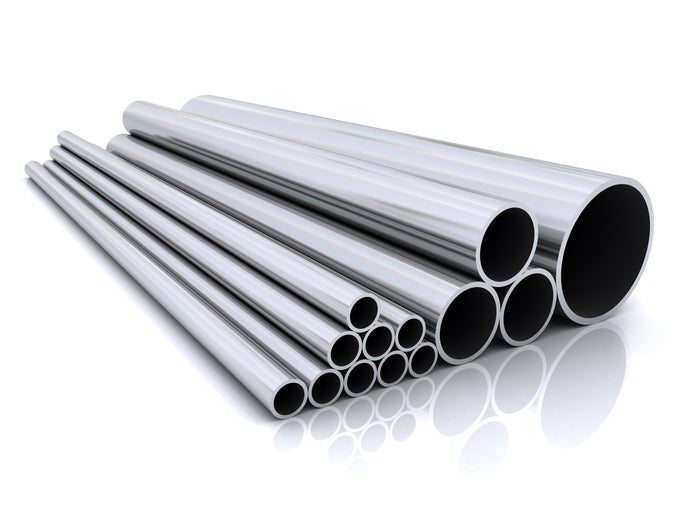
What Is Stainless Steel?
Stainless steel is an alloy that contains chromium, typically at least 10.5 percent. Chromium reacts with oxygen to form a thin oxide layer that protects the surface from corrosion. Unlike galvanized steel, this protection is part of the material itself rather than an exterior coating.
Many stainless-steel grades also contain nickel, molybdenum, or other alloying elements to improve corrosion resistance, strength, or performance in specialized environments. Common characteristics of stainless steel include:
- Chromium alloy steel
- Excellent corrosion resistance
- High strength and durability
- Good appearance with minimal finishing
- Suitable for demanding environments
Galvanized Steel vs Stainless Steel: Quick Comparison
While galvanized steel and stainless steel share many similarities, there are several important differences to consider.
- Galvanized steel is carbon steel protected by a zinc coating. It generally has a lower material cost and is well suited for many outdoor structural applications. Galvanized steel offers protection depending on the condition of the zinc coating.
- Stainless steel is an alloy steel protected by chromium. It typically has a higher material cost and offers greater corrosion resistance in harsh environments. Stainless steel’s protection is built into the material itself.
Key Differences Between Galvanized & Stainless Steel
Although both materials are designed to resist corrosion, they perform differently depending on the application.
- Corrosion Resistance: Stainless steel generally offers greater corrosion resistance because its protective oxide layer continuously reforms when exposed to oxygen. Galvanized steel relies on its zinc coating, which gradually wears over time depending on environmental conditions.
- Cost: Galvanized steel is typically the more economical option and is commonly selected for projects where moderate corrosion resistance is sufficient.
- Appearance: Stainless steel has a clean, bright finish that is often preferred for architectural, food processing, and commercial applications. Galvanized steel has a matte gray appearance that is intended primarily for protection rather than aesthetics.
- Fabrication: Both materials can be fabricated into a variety of products. However, cutting or welding galvanized steel may require restoring corrosion protection in affected areas, while stainless steel fabrication often requires specialized techniques depending on the grade.
- Common Applications: Each material is commonly used in different industries based on performance requirements. Galvanized steel is frequently used for structural steel, steel tubing, fencing, guardrails, HVAC ductwork, agricultural equipment, and utility structures. Stainless steel is commonly used for food processing equipment, medical equipment, pharmaceutical manufacturing, marine applications, chemical processing, commercial kitchens, and architectural components.
Which Is Better: Galvanized or Stainless Steel?
The better material depends on your project’s requirements rather than one product being universally superior.
- Galvanized steel is often the preferred choice when controlling material costs is important, moderate corrosion resistance is sufficient, and the application involves structural or general outdoor use.
- Stainless steel is often the preferred choice when corrosion resistance is a higher priority, the material will be exposed to moisture, chemicals, or salt, or appearance is an important consideration.
Galvanized vs Stainless Steel: Which Lasts Longer?
When discussing galvanized vs stainless steel durability, the operating environment is one of the biggest factors.
- Galvanized steel can provide decades of service in many outdoor applications when the zinc coating remains intact. As the coating gradually wears away, however, the underlying carbon steel becomes more susceptible to corrosion.
- Stainless steel generally provides a longer service life in harsh environments because its corrosion resistance is built into the material. Selecting the appropriate stainless-steel grade remains important since different grades are designed for different levels of corrosion exposure.
Talk to McKnight Steel & Tube Co. About Your Steel Requirements
Choosing between galvanized steel and stainless steel depends on your project’s specifications, operating environment, and budget. Understanding how each material performs can help you select the most appropriate option for long-term service.
If you need assistance selecting steel products for your next project, the team at McKnight Steel & Tube Co. can help you identify materials that meet your application requirements and specifications. We are happy to help you understand the pros and cons of galvanized steel in Philadelphia, PA.
Frequently Asked Questions
Choosing between galvanized steel and stainless steel often depends on the application, environment, and performance requirements. Below are answers to some common questions.
What Is the Difference Between Galvanized Steel & Stainless Steel?
Galvanized steel is carbon steel coated with zinc for corrosion protection. Stainless steel is an alloy that contains chromium, allowing it to form a protective oxide layer that resists corrosion.
Which Material Offers Better Corrosion Resistance?
In most environments, stainless steel provides greater corrosion resistance because its protective layer continuously reforms if the surface is damaged.
What Are the Pros & Cons of Galvanized Steel?
Galvanized steel offers good corrosion resistance, relatively low cost, and broad availability. Its primary limitation is that corrosion protection depends on the condition of the zinc coating.
Is Stainless Steel Stronger Than Galvanized Steel?
Strength depends on the specific grade and application. Both materials are available in grades suitable for demanding structural and industrial uses.
Which Material Is Better for Outdoor Applications?
Both materials are used outdoors. Galvanized steel is common for structural and infrastructure projects, while stainless steel is often selected for environments with higher exposure to moisture, chemicals, or salt.