

Different Types of Structural Steel
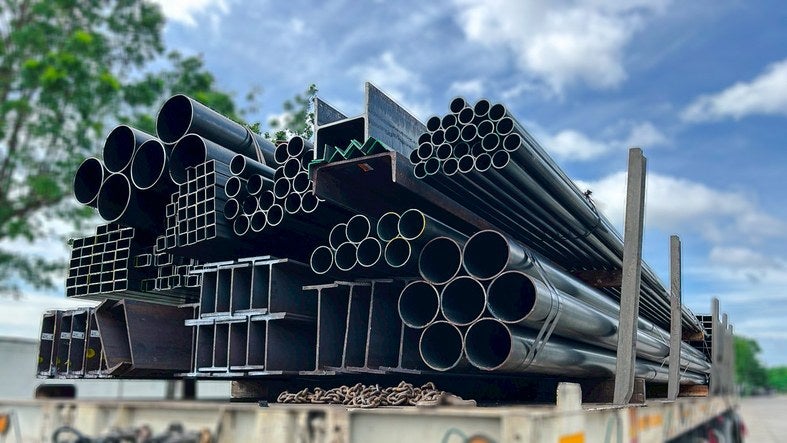
Structural steel is the backbone of modern construction. From warehouses to bridges, this advanced material supports loads, spans distances, and forms the structural framework of high-rise buildings. For buyers, the challenge is choosing the right option based on specifications, availability, and budget. Learn about the different types of structural steel and how to choose the right product for your build.
What Makes Structural Steel Unique?
Structural steel is designed to carry loads. Unlike decorative or sheet steel, it is produced and tested to meet specific mechanical properties, including yield strength, tensile strength, and ductility. These properties are defined by ASTM standards, which allow engineers and fabricators to specify material confidently.
Most structural steel in the U.S. follows ASTM specifications, including A36, A572, and A992. These standards define chemical composition and performance thresholds, crucial considerations when structural safety and performance are on the line. Steel that does not meet spec can cause delays, rework, or rejection upon delivery. For this reason, sourcing from a reliable structural steel supplier is as important as choosing the right grade.
Main Structural Steel Types
Structural steel is categorized by grade, each serving a different purpose based on strength, weldability, and application needs.
- Carbon steel: Carbon steel offers predictable performance and is widely used in tubing, beams, columns, and plates. ASTM A36 is frequently specified because it meets standard strength requirements for general structural applications.
- High-strength low-alloy steel (HSLA): This type of steel provides higher strength with less material. ASTM A572 is a common grade that reduces weight without sacrificing performance, which is useful in large spans or tall structures.
- Quenched and tempered steel: This type of structural steel offers very high strength and is often used in heavy equipment and specialized structural applications. ASTM A514 is a typical example.
- Weathering steel: ASTM A588 is designed to form a stable rust-like patina. It is often specified for outdoor structures where painting is not desired.
Shapes and Forms of Structural Steel
Grades define performance, while shapes define how steel is used in a structure. Structural steel may be rolled or formed into standard profiles to handle specific loads.
- I-beams and wide flange beams: These are used for horizontal support. Their shape allows them to withstand bending loads efficiently, making them common in floors and roofs.
- Angles and channels: Often used for bracing, frames, and support members, angles work well where two planes meet, while channels provide stiffness in one direction.
- Hollow structural sections (HSS): Structural tubing is available in square, rectangular, and round profiles. They are commonly specified for columns, frames, and bracing due to their uniform strength and consistent wall thickness.
- Plates and bars: Plates are used for base plates, gussets, and connections. Bars are often cut and machined for custom components.
Applications for Structural Steel
The types of structural steel you might choose for your project depend on the load requirements, environment, and fabrication needs.
- Commercial buildings: Wide-flange beams and HSS are common due to predictable loads and standardized designs.
- Industrial facilities: Heavier grades and thicker sections support equipment, cranes, and vibration loads.
- Bridges and infrastructure: HSLA and weathering steels are often specified for strength and durability in exposed environments.
- Warehouses and distribution centers: Long spans and open floor plans often call for a mix of steel beams, joists, and tubing.
How to Choose the Right Structural Steel
Choosing the right material requires matching the specs to the job. A thorough approach helps reduce delays and material returns.
- Confirm ASTM requirements: Project documents usually specify the exact grade. Always match the material to the drawing notes.
- Consider load and span: Higher-strength grades may reduce weight or section size, which affects cost and fabrication.
- Account for the environment: Outdoor or corrosive settings may require weathering steel or coatings.
- Check availability: Not all grades and shapes are readily available. Work with structural steel suppliers that keep a range of products in stock to shorten lead times.
- Plan for fabrication: Weldability and cutting requirements vary by grade. Account for this when estimating shop time and field work.
Partner with a Reliable Structural Steel Supplier
Structural steel decisions demand accuracy, availability, and support. McKnight Steel & Tube Co. has operated since 1954 as a family-owned, wholesale distributor of tubing, pipe, and other metal products. We stock a wide range of structural steel tubing. We also offer value-added processing, including angles, channels, and related components, so you can source more of your order with a single supplier. We deliver within 120 miles of Philadelphia and ship nationwide by common carrier at no extra cost. Contact us today to discuss your requirements or request a quote online.