
-
Most Popular Types of Metals and Their Uses
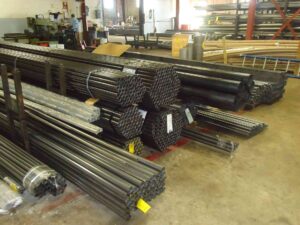
Metal products support nearly every aspect of industrial fabrication, construction, and manufacturing. Knowing how to identify different types of metals, their properties, and how they’re used helps buyers order the right material for the job. McKnight Steel & Tube Co. stocks a broad range of metals and alloys used across industrial applications, making it easier to source what your project requires.
What Are Metals and Their Key Properties?
Metals are elements or alloys that conduct heat and electricity, resist deformation under force, and can be formed into useful shapes. Properties of metal that are important in industrial settings include:
- Strength
- Ductility
- Corrosion resistance
- Weldability
- Compliance with ASTM/ASMA standards
These measurable properties determine the types and uses of metals in specific environments.
Most Popular Types of Metals
Below are some common metals and their uses based on what we stock.
Carbon Steel
Carbon steel is one of the most widely used types of metals in industrial applications. It is an alloy of iron and carbon, valued for its strength and cost-effectiveness. Common uses of carbon steel include structural framing, supports, general fabrication, and mechanical components that require high strength. This metal is often specified under ASTM A36, A500, and similar standards.
We carry carbon steel in various forms:
- Carbon steel pipe for fluid, gas, and structural use
- Carbon steel square tubing for frames, supports, and machinery
- Structural shapes like angles and channels
Galvanized Steel
Galvanized steel is carbon steel coated with zinc to resist corrosion. The galvanizing process extends the metal’s service life compared to bare carbon steel while maintaining its mechanical properties.
We stock galvanized steel tubing for projects where corrosion resistance is needed, but stainless steel is not required. Examples include structural frameworks, outdoor supports, HVAC equipment, fencing systems, and general fabrication.
Stainless Steel
Stainless steel is often selected for its corrosion resistance, making it suitable for environments with moisture or chemicals. We commonly stock grades like 304 and 316, which are used in chemical processing, food-handling equipment, pharmaceutical plants, exterior architectural elements, marine applications, and anywhere corrosion resistance is required.
We supply:
Aluminum
Aluminum is lightweight and corrosion-resistant, making it useful in demanding environments where reduced weight is important. Typical uses include automotive components, heat exchangers, lightweight structures, and architectural applications. Aluminum may conform to ASTM B221 and similar specifications.
Aluminum products available from McKnight Steel & Tube Co. include:
Specialty Metals
Some projects require metals with unique properties, such as increased hardness or wear resistance. We offer nickel alloys for high-temperature or corrosive environments and chrome bars for tooling and wear applications. Specifications are critical with these materials to ensure they perform as expected in demanding applications.
Common Applications Across Industries
Understanding how popular metals for industrial applications are used helps you see where each material fits:
- Construction: Structural carbon steel shapes, tubing, and pipe form the backbone of buildings, bridges, and supports.
- Manufacturing: Stainless steel and aluminum are used in jigs, fixtures, tooling frames, and machine components.
- Automotive and aerospace: Lightweight aluminum and precision tubing help meet performance and efficiency specifications.
- Oil and gas: Carbon steel and specific alloys are often selected for pipelines and pressure systems to conform to pressure vessel standards.
- Food and beverage processing: Stainless grades that meet hygienic standards are used for conveyors, tanks, and piping.
How to Choose the Right Metal for Your Needs
Here’s what to consider before requesting metal from a supplier:
- Application requirements: Will the metal be exposed to weather, chemicals, high loads, or extreme temperatures? Not all metal types are intended for these uses.
- Specifications and standards: Confirm the required ASTM/ASME designations, material grade, and dimensional tolerances.
- Mechanical properties: Know the strength, ductility, hardness, and weldability required for the part or structure.
- Size and shape: Different shapes are suited to particular fabrication or structural uses. We stock tubing, pipe, bar, rod, angle, channel, beam, and plate.
- Lead time and availability: Choosing a metal supplier with products in stock and ready to ship speeds up your project. Our extensive inventory means in stock orders are ready to ship.
We’re Ready to Support Your Metal Needs
Metal purchasing doesn’t have to be complicated when you work with the right supplier. If you’re unsure which metal types and uses best fit your project, McKnight Steel & Tube Co. would be happy to help. We’re a family-owned, wholesale distributor, with a wide range of tubing, pipe, and other metal products in stock. Fast delivery options within 120 miles of Philadelphia and free shipping across the U.S. streamline your metal procurement efforts. Contact us today for more information or to request a quote.
-
Different Types of Structural Steel
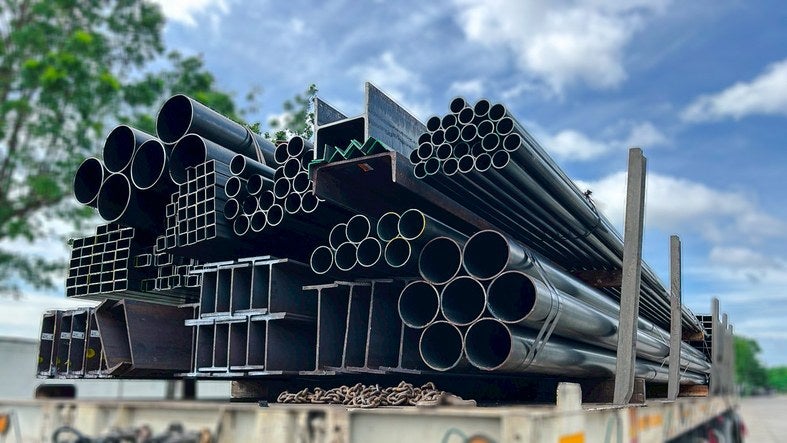
Structural steel is the backbone of modern construction. From warehouses to bridges, this advanced material supports loads, spans distances, and forms the structural framework of high-rise buildings. For buyers, the challenge is choosing the right option based on specifications, availability, and budget. Learn about the different types of structural steel and how to choose the right product for your build.
What Makes Structural Steel Unique?
Structural steel is designed to carry loads. Unlike decorative or sheet steel, it is produced and tested to meet specific mechanical properties, including yield strength, tensile strength, and ductility. These properties are defined by ASTM standards, which allow engineers and fabricators to specify material confidently.
Most structural steel in the U.S. follows ASTM specifications, including A36, A572, and A992. These standards define chemical composition and performance thresholds, crucial considerations when structural safety and performance are on the line. Steel that does not meet spec can cause delays, rework, or rejection upon delivery. For this reason, sourcing from a reliable structural steel supplier is as important as choosing the right grade.
Main Structural Steel Types
Structural steel is categorized by grade, each serving a different purpose based on strength, weldability, and application needs.
- Carbon steel: Carbon steel offers predictable performance and is widely used in tubing, beams, columns, and plates. ASTM A36 is frequently specified because it meets standard strength requirements for general structural applications.
- High-strength low-alloy steel (HSLA): This type of steel provides higher strength with less material. ASTM A572 is a common grade that reduces weight without sacrificing performance, which is useful in large spans or tall structures.
- Quenched and tempered steel: This type of structural steel offers very high strength and is often used in heavy equipment and specialized structural applications. ASTM A514 is a typical example.
- Weathering steel: ASTM A588 is designed to form a stable rust-like patina. It is often specified for outdoor structures where painting is not desired.
Shapes and Forms of Structural Steel
Grades define performance, while shapes define how steel is used in a structure. Structural steel may be rolled or formed into standard profiles to handle specific loads.
- I-beams and wide flange beams: These are used for horizontal support. Their shape allows them to withstand bending loads efficiently, making them common in floors and roofs.
- Angles and channels: Often used for bracing, frames, and support members, angles work well where two planes meet, while channels provide stiffness in one direction.
- Hollow structural sections (HSS): Structural tubing is available in square, rectangular, and round profiles. They are commonly specified for columns, frames, and bracing due to their uniform strength and consistent wall thickness.
- Plates and bars: Plates are used for base plates, gussets, and connections. Bars are often cut and machined for custom components.
Applications for Structural Steel
The types of structural steel you might choose for your project depend on the load requirements, environment, and fabrication needs.
- Commercial buildings: Wide-flange beams and HSS are common due to predictable loads and standardized designs.
- Industrial facilities: Heavier grades and thicker sections support equipment, cranes, and vibration loads.
- Bridges and infrastructure: HSLA and weathering steels are often specified for strength and durability in exposed environments.
- Warehouses and distribution centers: Long spans and open floor plans often call for a mix of steel beams, joists, and tubing.
How to Choose the Right Structural Steel
Choosing the right material requires matching the specs to the job. A thorough approach helps reduce delays and material returns.
- Confirm ASTM requirements: Project documents usually specify the exact grade. Always match the material to the drawing notes.
- Consider load and span: Higher-strength grades may reduce weight or section size, which affects cost and fabrication.
- Account for the environment: Outdoor or corrosive settings may require weathering steel or coatings.
- Check availability: Not all grades and shapes are readily available. Work with structural steel suppliers that keep a range of products in stock to shorten lead times.
- Plan for fabrication: Weldability and cutting requirements vary by grade. Account for this when estimating shop time and field work.
Partner with a Reliable Structural Steel Supplier
Structural steel decisions demand accuracy, availability, and support. McKnight Steel & Tube Co. has operated since 1954 as a family-owned, wholesale distributor of tubing, pipe, and other metal products. We stock a wide range of structural steel tubing. We also offer value-added processing, including angles, channels, and related components, so you can source more of your order with a single supplier. We deliver within 120 miles of Philadelphia and ship nationwide by common carrier at no extra cost. Contact us today to discuss your requirements or request a quote online.
-
Stainless Steel Pipe: A Flexible, High-Strength Metal
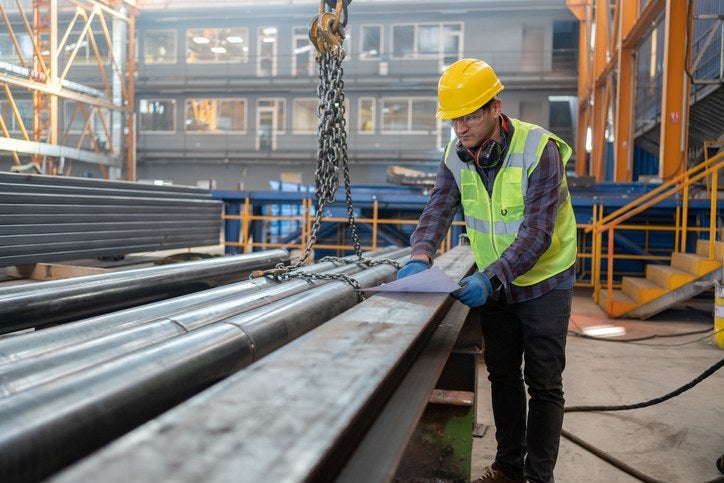
Are you sourcing pipe materials for a project that requires strength, corrosion resistance, and consistent performance? Stainless steel pipe is commonly specified for applications requiring explicit fluid transfer, pressure containment, or structural support. Available in seamless and welded forms, stainless steel tubing products are often preferred in processing, manufacturing, and energy sectors because they meet defined standards and perform reliably in demanding conditions.
What Is Stainless Steel Pipe?
Stainless steel is an alloy of iron, chromium, nickel, and other elements that give it corrosion resistance and strength. Stainless steel pipe is a hollow, cylindrical product specified by nominal size and schedule and is typically used for pressure-rated systems. Stainless steel tubing is specified by actual outside diameter and wall thickness and is used where tighter dimensional tolerances are required.
ASTM A312 and ASME SA312 cover seamless and welded austenitic stainless steel pipe. Seamless products are preferred for high-pressure or high-temperature applications. Welded stainless steel pipe is made by forming and welding flat strip or coil and is suitable where pressures and environments are within certain design limits. Stainless steel tubing is produced under separate ASTM standards, such as ASTM A213 for seamless tubing and ASTM A269 for general-purpose tubing.
Advantages of Stainless Steel Pipes
Stainless steel pipe and tubing offer several advantages in industrial settings:
- Corrosion resistance: The chromium content in stainless steel forms a passive oxide layer that resists rust. Grades like 304/304L and 316/316L are common choices for chemical environments.
- Strength and durability: Stainless steel pipe offers sufficient strength for pressure, structural, and mechanical applications. Grade designations often include mechanical property requirements to meet load-bearing or containment needs.
- Specification conformity: Industrial stainless steel tubing and pipe meet exact ASTM and ASME standards. Spec adherence helps ensure that components perform as expected.
- Versatility: Stainless steel pipe is available in various production methods and a range of diameters, schedules, and grades to suit many applications.
- Machinability and fabrication: Certain grades, like 304L, are easier to weld, with a reduced risk of carbide precipitation at weld zones. This factor is important for systems requiring welding during installation.
Applications for Stainless Steel Pipe
Stainless steel is the preferred material in a variety of industrial environments:
- Chemical processing: Pipes that convey corrosive fluids or gases require strength and resistance to chemical attack.
- Food and beverage production: Stainless steel pipe is specified where cleanability and non-reactivity are required.
- Pharmaceutical and biotechnology: Applications often require tubing and pipe that meet sanitary and quality standards.
- Marine and offshore: Corrosion resistance in saltwater and humid environments demands stainless alloys.
- Energy and power: Stainless pipe can serve steam, water, and process systems in conventional power plants and renewable installations.
- Manufacturing and industrial plant services: General fluid conveyance, high-pressure process lines, and heat-exchange systems all rely on stainless steel pipe or tubing that meets code requirements.
Why Choose Stainless Steel Over Other Materials?
When comparing materials, stainless steel stands out for its corrosion performance, impressive temperature range, and versatility. While alternatives like carbon steel or plastics may be suitable for some applications, they typically don’t offer the same corrosion resistance, mechanical properties, and specification compliance as industrial stainless steel pipe and tubing.
Tips for Selecting the Right Stainless Steel Pipe
Choosing the best stainless steel pipe for your industrial use case requires looking at the specifications and service conditions:
- Match the standard to the application: Determine which ASTM or ASME standard applies based on the pressure, temperature, and environment.
- Select the right grade: 304/304L is suitable for many general applications, while 316/316L offers greater resistance to chlorides and acidic environments.
- Compare production methods: Seamless stainless steel pipe is often specified for applications with high pressure or cyclic loads. Welded pipe may be acceptable, as long as the weld integrity meets the project requirements.
- Check wall thickness and schedule: Pipe wall thickness affects pressure ratings and is usually defined by schedule numbers (Schedule 40, Schedule 80, etc.). Ensure the selected schedule meets the design criteria.
- Obtain material test reports: This step lets you verify chemical composition and mechanical properties against the applicable ASTM or ASME standard. Require traceable documentation with each shipment to confirm compliance with the ordered specifications.
Source Stainless Steel Pipe for Your Next Project
If you’re looking for a reputable steel pipe supplier, turn to McKnight Steel & Tube Co. We have served industrial customers since 1954 as a family-owned wholesale distributor of tubing, pipe, and other metal products. We stock materials to ASTM and ASME specifications and aim for a quick turnaround time for stocked items. Our value-added processing includes precision cutting and preparation, so your order arrives ready for fabrication or installation. We deliver within 120 miles of our Philadelphia facility and ship across the U.S. via common carrier. Contact us today to request a quote or ask our team about the best stainless steel pipe and tubing for your needs.