
-
Galvanized vs Stainless Steel: What’s The Difference?
Key Differences Between Galvanized and Stainless Steel Explained
Understanding the difference between galvanized steel and stainless steel is important when selecting materials for construction, manufacturing, fabrication, and industrial applications. Although both materials resist corrosion, they achieve that protection differently and are designed for different environments. Knowing what is galvanized steel and what is stainless steel can help you choose the right material for your application.
What Is Galvanized Steel?
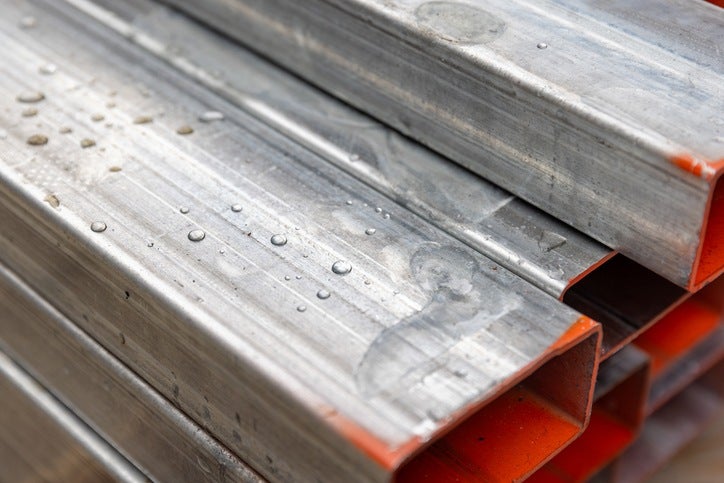
Galvanized steel is carbon steel that has been coated with zinc to help protect it from corrosion. The zinc coating serves as a barrier between the steel and the environment while also providing sacrificial protection if the surface becomes scratched or damaged.
Hot-dip galvanizing is the most common manufacturing process, although electro-galvanizing is also used for certain applications that require a thinner coating. Common characteristics of galvanized steel include:
- Zinc-coated carbon steel
- Good corrosion resistance in many outdoor environments
- Lower cost than many stainless steel products
- Minimal maintenance in suitable applications
- Widely used in structural and industrial projects
What Is Stainless Steel?
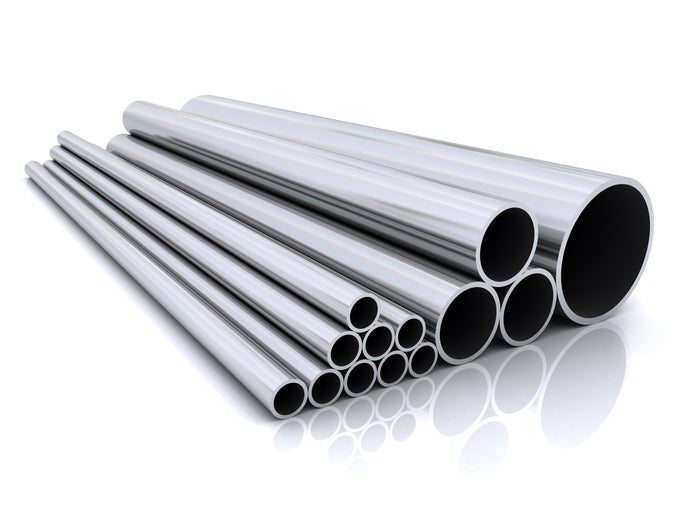
Stainless steel is an alloy that contains chromium, typically at least 10.5 percent. Chromium reacts with oxygen to form a thin oxide layer that protects the surface from corrosion. Unlike galvanized steel, this protection is part of the material itself rather than an exterior coating.
Many stainless-steel grades also contain nickel, molybdenum, or other alloying elements to improve corrosion resistance, strength, or performance in specialized environments. Common characteristics of stainless steel include:
- Chromium alloy steel
- Excellent corrosion resistance
- High strength and durability
- Good appearance with minimal finishing
- Suitable for demanding environments
Galvanized Steel vs Stainless Steel: Quick Comparison
While galvanized steel and stainless steel share many similarities, there are several important differences to consider.
- Galvanized steel is carbon steel protected by a zinc coating. It generally has a lower material cost and is well suited for many outdoor structural applications. Galvanized steel offers protection depending on the condition of the zinc coating.
- Stainless steel is an alloy steel protected by chromium. It typically has a higher material cost and offers greater corrosion resistance in harsh environments. Stainless steel’s protection is built into the material itself.
Key Differences Between Galvanized & Stainless Steel
Although both materials are designed to resist corrosion, they perform differently depending on the application.
- Corrosion Resistance: Stainless steel generally offers greater corrosion resistance because its protective oxide layer continuously reforms when exposed to oxygen. Galvanized steel relies on its zinc coating, which gradually wears over time depending on environmental conditions.
- Cost: Galvanized steel is typically the more economical option and is commonly selected for projects where moderate corrosion resistance is sufficient.
- Appearance: Stainless steel has a clean, bright finish that is often preferred for architectural, food processing, and commercial applications. Galvanized steel has a matte gray appearance that is intended primarily for protection rather than aesthetics.
- Fabrication: Both materials can be fabricated into a variety of products. However, cutting or welding galvanized steel may require restoring corrosion protection in affected areas, while stainless steel fabrication often requires specialized techniques depending on the grade.
- Common Applications: Each material is commonly used in different industries based on performance requirements. Galvanized steel is frequently used for structural steel, steel tubing, fencing, guardrails, HVAC ductwork, agricultural equipment, and utility structures. Stainless steel is commonly used for food processing equipment, medical equipment, pharmaceutical manufacturing, marine applications, chemical processing, commercial kitchens, and architectural components.
Which Is Better: Galvanized or Stainless Steel?
The better material depends on your project’s requirements rather than one product being universally superior.
- Galvanized steel is often the preferred choice when controlling material costs is important, moderate corrosion resistance is sufficient, and the application involves structural or general outdoor use.
- Stainless steel is often the preferred choice when corrosion resistance is a higher priority, the material will be exposed to moisture, chemicals, or salt, or appearance is an important consideration.
Galvanized vs Stainless Steel: Which Lasts Longer?
When discussing galvanized vs stainless steel durability, the operating environment is one of the biggest factors.
- Galvanized steel can provide decades of service in many outdoor applications when the zinc coating remains intact. As the coating gradually wears away, however, the underlying carbon steel becomes more susceptible to corrosion.
- Stainless steel generally provides a longer service life in harsh environments because its corrosion resistance is built into the material. Selecting the appropriate stainless-steel grade remains important since different grades are designed for different levels of corrosion exposure.
Talk to McKnight Steel & Tube Co. About Your Steel Requirements
Choosing between galvanized steel and stainless steel depends on your project’s specifications, operating environment, and budget. Understanding how each material performs can help you select the most appropriate option for long-term service.
If you need assistance selecting steel products for your next project, the team at McKnight Steel & Tube Co. can help you identify materials that meet your application requirements and specifications. We are happy to help you understand the pros and cons of galvanized steel in Philadelphia, PA.
Frequently Asked Questions
Choosing between galvanized steel and stainless steel often depends on the application, environment, and performance requirements. Below are answers to some common questions.
What Is the Difference Between Galvanized Steel & Stainless Steel?
Galvanized steel is carbon steel coated with zinc for corrosion protection. Stainless steel is an alloy that contains chromium, allowing it to form a protective oxide layer that resists corrosion.
Which Material Offers Better Corrosion Resistance?
In most environments, stainless steel provides greater corrosion resistance because its protective layer continuously reforms if the surface is damaged.
What Are the Pros & Cons of Galvanized Steel?
Galvanized steel offers good corrosion resistance, relatively low cost, and broad availability. Its primary limitation is that corrosion protection depends on the condition of the zinc coating.
Is Stainless Steel Stronger Than Galvanized Steel?
Strength depends on the specific grade and application. Both materials are available in grades suitable for demanding structural and industrial uses.
Which Material Is Better for Outdoor Applications?
Both materials are used outdoors. Galvanized steel is common for structural and infrastructure projects, while stainless steel is often selected for environments with higher exposure to moisture, chemicals, or salt.
-
Most Popular Types Of Metals and Their Uses
Metal Types Explained with Everyday Industrial Uses
Understanding the various types of metals is important when selecting materials for manufacturing, construction, fabrication, and industrial applications. Different metals offer unique combinations of strength, corrosion resistance, weight, conductivity, and workability. Knowing the characteristics of common metals and their properties can help you select the most appropriate material for your project.
Whether you’re sourcing materials for fabrication or structural applications in Philadelphia, PA, understanding how different metals perform is an important part of making an informed decision.
What Are Metals?
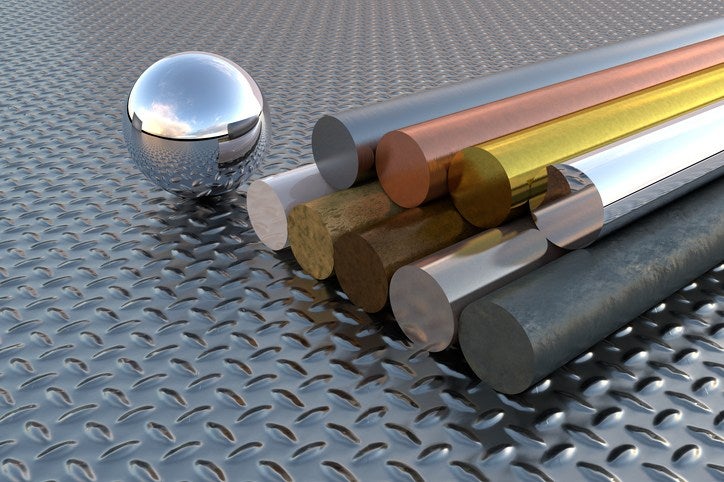
Metals are naturally occurring elements or alloys that are valued for their strength, durability, conductivity, and ability to be formed into a wide range of products. They are used in industries ranging from construction and transportation to manufacturing, energy, and infrastructure.
Many metals used in manufacturing are selected because they can be machined, welded, bent, or formed while maintaining their structural integrity. The specific properties of each metal determine where it performs best. Common characteristics of metals include:
- High strength compared to many non-metal materials
- Good thermal and electrical conductivity
- Durability in demanding environments
- Ability to be fabricated into various shapes and sizes
- Recyclability for future use
Classification of Metals
Metals are generally grouped into categories based on their composition and properties. Understanding these classifications can make it easier to narrow down material options for specific applications. The most common classifications include:
- Ferrous metals, which contain iron and are often used for structural applications because of their strength.
- Non-ferrous metals, which do not contain significant amounts of iron and are often selected for corrosion resistance, conductivity, or reduced weight.
- Alloys, which combine two or more elements to improve specific mechanical or chemical properties.
Popular Types of Metals: Quick Comparison
Each metal offers advantages for different industries and applications. Learn about the pros and cons of popular types of metals:
- Carbon Steel: High strength, economical, and widely used for structural and manufacturing applications.
- Stainless Steel: Excellent corrosion resistance and commonly used where durability and cleanliness are important.
- Aluminum: Lightweight, corrosion resistant, and easy to fabricate.
- Copper: Excellent electrical and thermal conductivity.
- Brass: Good corrosion resistance with excellent machinability.
- Bronze: Durable alloy commonly used for bearings, marine hardware, and industrial components.
Most Popular Types of Metals & Their Uses
Different industries rely on different materials based on strength, weight, corrosion resistance, and fabrication requirements.
- Carbon Steel: Frequently used for structural steel, machinery, equipment, steel tubing, and general manufacturing because of its strength and affordability.
- Stainless Steel: Commonly used for food processing equipment, pharmaceutical manufacturing, medical equipment, chemical processing, commercial kitchens, and architectural applications because of its corrosion resistance.
- Aluminum: Often selected for transportation equipment, aerospace components, architectural products, and consumer goods where lower weight is important.
- Copper: Widely used for electrical wiring, plumbing systems, heat exchangers, and industrial equipment because of its conductivity.
- Brass: Commonly used for valves, fittings, hardware, plumbing components, and decorative applications.
- Bronze: Frequently used for bearings, bushings, marine hardware, gears, and industrial wear components.
How to Choose the Right Metal
Selecting the appropriate material depends on the specific requirements of your application. Performance, environment, fabrication methods, and budget should all be considered before choosing a material. Important factors include:
- Required strength and load capacity
- Corrosion resistance requirements
- Weight limitations
- Weldability and machinability
- Operating environment
- Material availability
- Project budget
Advantages of Using Metals
Metals continue to be the preferred material for many commercial and industrial applications because they offer a combination of mechanical performance and long service life. Advantages of using metals include:
- High structural strength
- Long service life
- Excellent durability
- Wide range of available grades
- Good fabrication characteristics
- Recyclability
- Suitability for many metal applications in construction
Talk to McKnight Steel & Tube Co. About Your Metal Requirements
Choosing from the many metal types for industrial use depends on your project’s specifications, operating environment, and fabrication requirements. Understanding the characteristics of different materials can help improve performance and reduce unnecessary costs.
If you’re looking for quality metal products in Philadelphia, PA, McKnight Steel & Tube Co. can help you identify materials that meet your project specifications and application requirements.
Frequently Asked Questions
Selecting the right metal often depends on strength requirements, corrosion resistance, fabrication methods, and the intended application. Below are answers to some common questions.
What Are the Most Common Types of Metals?
Some of the most widely used metals include carbon steel, stainless steel, aluminum, copper, brass, and bronze. Each offers different properties that make it suitable for specific industrial and commercial applications.
What Are the Differences Between Ferrous & Non-Ferrous Metals?
Ferrous metals contain iron and are generally known for their strength. Non-ferrous metals contain little or no iron and are often selected for corrosion resistance, lighter weight, or improved electrical conductivity.
Which Metals Are Most Commonly Used in Manufacturing?
Carbon steel, stainless steel, aluminum, and copper are among the most common metals used in manufacturing because they provide a balance of strength, workability, and performance across a wide range of industries.
Which Metal Is Best for Construction Projects?
The best material depends on the application. Carbon steel is commonly used for structural applications, while stainless steel, aluminum, and other alloys may be selected where corrosion resistance or reduced weight is important.
Why Are Metals Used in So Many Industries?
Metals offer strength, durability, machinability, recyclability, and consistent performance, making them suitable for manufacturing, construction, transportation, infrastructure, and many other industrial applications.
-
The Different Types of Structural Steel
A Guide to Structural Steel in Philadelphia, PA
Structural steel is one of the most important materials in modern construction. Choosing the right type ensures your project is strong, safe, and built to last.
With so many options available, it’s common to wonder which type of structural steel is best for your application. This guide breaks down the most common steel types, shapes, and connection methods so you can make a confident decision.
At McKnight Steel & Tube Co., we’ve been supplying quality steel products since 1954. Our team is here to help you find the right materials for any project in the Philadelphia area and beyond.
Common Types of Structural Steel Materials
The first step in selecting structural steel is choosing the proper material composition. Different steels offer varying levels of strength, flexibility, and corrosion resistance.
Here are the most widely used types:
- Carbon Steel: Carbon steel is made primarily of iron and carbon. It is one of the most commonly used structural materials because it offers a strong balance of strength, affordability, and workability. Low-carbon steel is especially popular because it is easy to form and weld.
- High-Strength Low-Alloy (HSLA) Steel: HSLA steel contains small amounts of alloying elements such as manganese or vanadium. It delivers improved strength and corrosion resistance compared to standard carbon steel—often allowing for lighter structures without sacrificing performance.
- Forged Steel: Forged steel is shaped under high pressure, making it denser and more durable than many other types. This process enhances impact resistance, making it ideal for demanding structural applications.
- Quenched and Tempered Alloy Steel: This steel undergoes controlled heating and rapid cooling to increase toughness and durability. It performs well in heavy-duty environments such as construction, infrastructure, and mining equipment.
Types of Structural Steel Shapes and Sections
Once you’ve selected the right material, the next step is choosing the correct shape. Each structural section is designed to handle specific loads and stresses.
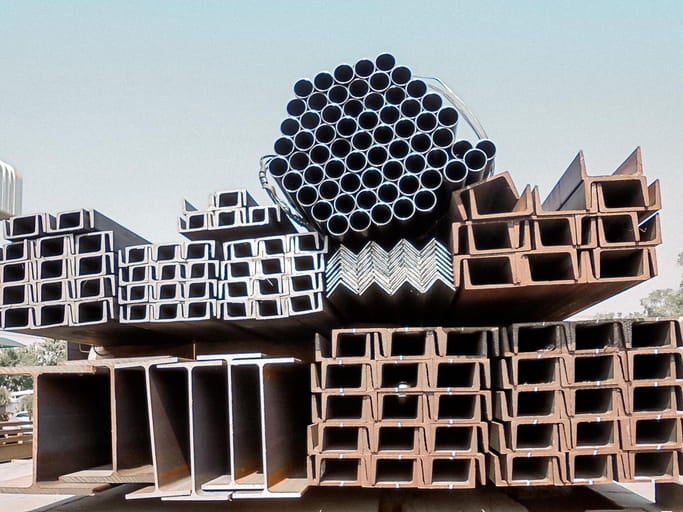
- I-Beams: I-beams are one of the most common structural shapes. They provide excellent resistance to bending and are widely used in building frames and load-bearing applications.
- Channel Sections (C-Channels): Channel sections offer strong support and are frequently used in commercial construction and transportation equipment.
- Angle Shapes: These L-shaped components are often used for bracing and connections. They provide strength while helping tie different structural elements together.
- Hollow Structural Sections (HSS): HSS shapes include square, rectangular, and round tubing. They offer high strength and excellent resistance to twisting, making them ideal for columns and architectural structures.
- Steel Plates: Steel plates are flat sheets that can be cut to custom sizes. They’re commonly used to reinforce structures, foundations, and bridge components.
Types of Connections in Steel Structures
Strong connections are critical to the integrity of any steel structure. The right connection method ensures loads are safely transferred throughout the framework.
- Welded Connections: Welding fuses steel components together, creating a rigid and permanent bond. This method is ideal when maximum strength and durability are required.
- Bolted Connections: Bolted joints use high-strength fasteners to connect steel members. They are quick to assemble and allow for easier adjustments or future modifications.
- Riveted Connections: While less common today, riveted connections are still found in older structures. They involve fastening steel with heated metal pins that are then formed into place.
Frequently Asked Questions
What Are the Advantages of HSLA Steel?
HSLA steel allows you to reduce weight without losing strength. This can lower transportation costs and reduce the load on your foundation.
How Do I Choose the Right Structural Steel Shape?
Your choice depends on how the structure will handle weight and stress. For example, I-beams are ideal for horizontal loads, while hollow sections perform well for vertical columns and torsional resistance.
Work with a Trusted Steel Supplier
Choosing the right structural steel is easier when you have an experienced partner on your side.
McKnight Steel & Tube Co. has been family-owned and operated since 1954, supplying high-quality steel products across the Philadelphia region and nationwide. With a reliable delivery fleet and industry expertise, we help ensure your project stays on track.
Need help selecting the right materials? Contact our team today for expert guidance and fast service.
-
Understanding Structural Steel Grades for Construction
A Practical Guide to Structural Steel Grades in Philadelphia, PA
Structural steel is the backbone of modern construction—from commercial buildings to bridges and industrial facilities. Choosing the right grade is essential to ensure strength, safety, and long-term performance.
Not all steel is the same. Different structural steel grades are engineered for specific applications, with defined chemical compositions and mechanical properties. Selecting the wrong grade—especially in load-bearing applications—can lead to costly issues or even structural failure.
This guide explains common structural steel grades, what their specifications mean, and how to choose the right material for your project.
At McKnight Steel & Tube Co., we’ve been supplying high-quality steel products since 1954, helping customers throughout the Philadelphia region make informed purchasing decisions.
What Are Structural Steel Grades?
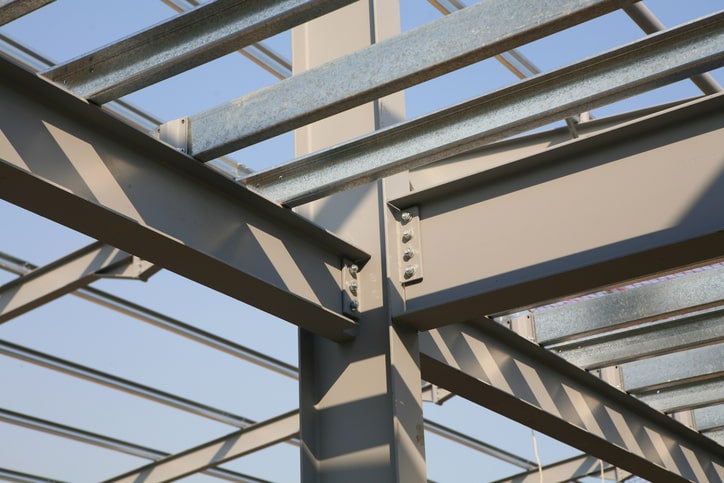
Structural steel grades classify materials based on their composition and performance characteristics, such as strength, weldability, and durability.
Organizations like the American Society for Testing and Materials (ASTM) establish standardized specifications so engineers and buyers know exactly what they’re getting. These classifications ensure consistency, safety, and compatibility across construction projects.
Types of Structural Steel Grades
Carbon Steel Grades
Carbon steel is categorized based on the amount of carbon in the material, which directly affects strength and flexibility.
- Low Carbon Steel (up to 0.3%): Also known as mild steel, this is the most commonly used structural material. It is easy to form, cut, and weld—making it ideal for general construction and framing.
- Medium Carbon Steel (0.3%–0.6%): This offers higher strength and durability. It is often used in machinery components and applications where added toughness is required.
- High Carbon Steel (above 0.6%): This type is extremely hard and wear-resistant. It is typically used for tools, blades, and applications requiring maximum durability rather than flexibility.
High-Strength Low-Alloy (HSLA) Steel
HSLA steels are designed to provide greater strength and corrosion resistance than standard carbon steel—without significantly increasing weight.
- Chromium-Alloy Steel: Chromium improves corrosion resistance and durability, making this steel suitable for bridges and exposed structures.
- Nickel-Alloy Steel: Nickel enhances toughness, especially in harsh environments. This makes it a strong choice for offshore, marine, and heavy industrial applications
Common ASTM Structural Steel Grades
ASTM specifications use a letter-and-number system to identify steel types. The letter “A” indicates ferrous metals, while the numbers define specific performance requirements.
Here are some of the most widely used structural steel grades:
- A36: A cost-effective, low-carbon steel commonly used in general construction. It offers excellent weldability and versatility.
- A500 Grade B: Used for structural tubing, including round, square, and rectangular shapes. It is commonly specified for HSS applications and requires a minimum yield strength of 290 MPa.
- A572 Grade 50: A high-strength, low-alloy steel with a minimum yield strength of 50 ksi. It allows for lighter designs without sacrificing structural performance.
- A588 (Weathering Steel): Designed to resist atmospheric corrosion. This grade is often used in outdoor structures where painting or maintenance is limited.
- A992: The modern standard for wide-flange beams and structural shapes. It provides excellent strength, reliability, and weldability in building construction.
Key Properties to Consider When Choosing a Grade
Each grade of structural steel performs differently depending on the application. Before selecting a material, it’s important to evaluate the following properties:
- Strength: Determines how much load the steel can support before deforming.
- Ductility: Allows the steel to bend or stretch under stress without breaking—critical for absorbing loads and impacts.
- Weldability: Affects how easily components can be joined without compromising structural integrity.
- Corrosion Resistance: Essential for structures exposed to moisture, chemicals, or harsh environmental conditions
Frequently Asked Questions
Why Are There So Many Structural Steel Grades?
Each grade is designed for a specific purpose. For example, A36 works well for general applications, while A992 is better suited for heavy structural beams. The right choice depends on load requirements, environment, and design specifications.
Can You Substitute One Steel Grade for Another?
Substituting grades without proper engineering approval can be risky. Different grades have different properties, and using the wrong one can compromise performance and violate building codes. Always confirm specifications before making a change.
How Do You Verify Steel Grades?
Steel suppliers provide Material Test Reports (MTRs) that document the chemical composition and mechanical properties of the material. Reviewing these reports ensures the steel meets the required standards for your project.
Work with a Trusted Steel Supplier
Selecting the right structural steel grade requires experience and attention to detail.
McKnight Steel & Tube Co. has been a trusted, family-owned supplier since 1954, serving customers throughout Pennsylvania and across the United States. We provide a full range of carbon, stainless, aluminum, and alloy products—delivered efficiently and backed by knowledgeable support.
Need help choosing the right steel grade? Contact our team today for expert guidance and fast, reliable service.
-
Most Popular Types of Metals and Their Uses
Metal products support nearly every aspect of industrial fabrication, construction, and manufacturing. Knowing how to identify different types of metals, their properties, and how they’re used helps buyers order the right material for the job. McKnight Steel & Tube Co. stocks a broad range of metals and alloys used across industrial applications, making it easier to source what your project requires.
What Are Metals and Their Key Properties?
Metals are elements or alloys that conduct heat and electricity, resist deformation under force, and can be formed into useful shapes. Properties of metal that are important in industrial settings include:
- Strength
- Ductility
- Corrosion resistance
- Weldability
- Compliance with ASTM/ASMA standards
These measurable properties determine the types and uses of metals in specific environments.
Most Popular Types of Metals
Below are some common metals and their uses based on what we stock.
Carbon Steel
Carbon steel is one of the most widely used types of metals in industrial applications. It is an alloy of iron and carbon, valued for its strength and cost-effectiveness. Common uses of carbon steel include structural framing, supports, general fabrication, and mechanical components that require high strength. This metal is often specified under ASTM A36, A500, and similar standards.
We carry carbon steel in various forms:
- Carbon steel pipe for fluid, gas, and structural use
- Carbon steel square tubing for frames, supports, and machinery
- Structural shapes like angles and channels
Galvanized Steel
Galvanized steel is carbon steel coated with zinc to resist corrosion. The galvanizing process extends the metal’s service life compared to bare carbon steel while maintaining its mechanical properties.
We stock galvanized steel tubing for projects where corrosion resistance is needed, but stainless steel is not required. Examples include structural frameworks, outdoor supports, HVAC equipment, fencing systems, and general fabrication.
Stainless Steel
Stainless steel is often selected for its corrosion resistance, making it suitable for environments with moisture or chemicals. We commonly stock grades like 304 and 316, which are used in chemical processing, food-handling equipment, pharmaceutical plants, exterior architectural elements, marine applications, and anywhere corrosion resistance is required.
We supply:
Aluminum
Aluminum is lightweight and corrosion-resistant, making it useful in demanding environments where reduced weight is important. Typical uses include automotive components, heat exchangers, lightweight structures, and architectural applications. Aluminum may conform to ASTM B221 and similar specifications.
Aluminum products available from McKnight Steel & Tube Co. include:
Specialty Metals
Some projects require metals with unique properties, such as increased hardness or wear resistance. We offer nickel alloys for high-temperature or corrosive environments and chrome bars for tooling and wear applications. Specifications are critical with these materials to ensure they perform as expected in demanding applications.
Common Applications Across Industries
Understanding how popular metals for industrial applications are used helps you see where each material fits:
- Construction: Structural carbon steel shapes, tubing, and pipe form the backbone of buildings, bridges, and supports.
- Manufacturing: Stainless steel and aluminum are used in jigs, fixtures, tooling frames, and machine components.
- Automotive and aerospace: Lightweight aluminum and precision tubing help meet performance and efficiency specifications.
- Oil and gas: Carbon steel and specific alloys are often selected for pipelines and pressure systems to conform to pressure vessel standards.
- Food and beverage processing: Stainless grades that meet hygienic standards are used for conveyors, tanks, and piping.
How to Choose the Right Metal for Your Needs
Here’s what to consider before requesting metal from a supplier:
- Application requirements: Will the metal be exposed to weather, chemicals, high loads, or extreme temperatures? Not all metal types are intended for these uses.
- Specifications and standards: Confirm the required ASTM/ASME designations, material grade, and dimensional tolerances.
- Mechanical properties: Know the strength, ductility, hardness, and weldability required for the part or structure.
- Size and shape: Different shapes are suited to particular fabrication or structural uses. We stock tubing, pipe, bar, rod, angle, channel, beam, and plate.
- Lead time and availability: Choosing a metal supplier with products in stock and ready to ship speeds up your project. Our extensive inventory means in stock orders are ready to ship.
We’re Ready to Support Your Metal Needs
Metal purchasing doesn’t have to be complicated when you work with the right supplier. If you’re unsure which metal types and uses best fit your project, McKnight Steel & Tube Co. would be happy to help. We’re a family-owned, wholesale distributor, with a wide range of tubing, pipe, and other metal products in stock. Fast delivery options within 120 miles of Philadelphia and free shipping across the U.S. streamline your metal procurement efforts. Contact us today for more information or to request a quote.
-
Different Types of Structural Steel
Structural steel is the backbone of modern construction. From warehouses to bridges, this advanced material supports loads, spans distances, and forms the structural framework of high-rise buildings. For buyers, the challenge is choosing the right option based on specifications, availability, and budget. Learn about the different types of structural steel and how to choose the right product for your build.
What Makes Structural Steel Unique?
Structural steel is designed to carry loads. Unlike decorative or sheet steel, it is produced and tested to meet specific mechanical properties, including yield strength, tensile strength, and ductility. These properties are defined by ASTM standards, which allow engineers and fabricators to specify material confidently.
Most structural steel in the U.S. follows ASTM specifications, including A36, A572, and A992. These standards define chemical composition and performance thresholds, crucial considerations when structural safety and performance are on the line. Steel that does not meet spec can cause delays, rework, or rejection upon delivery. For this reason, sourcing from a reliable structural steel supplier is as important as choosing the right grade.
Main Structural Steel Types
Structural steel is categorized by grade, each serving a different purpose based on strength, weldability, and application needs.
- Carbon steel: Carbon steel offers predictable performance and is widely used in tubing, beams, columns, and plates. ASTM A36 is frequently specified because it meets standard strength requirements for general structural applications.
- High-strength low-alloy steel (HSLA): This type of steel provides higher strength with less material. ASTM A572 is a common grade that reduces weight without sacrificing performance, which is useful in large spans or tall structures.
- Quenched and tempered steel: This type of structural steel offers very high strength and is often used in heavy equipment and specialized structural applications. ASTM A514 is a typical example.
- Weathering steel: ASTM A588 is designed to form a stable rust-like patina. It is often specified for outdoor structures where painting is not desired.
Shapes and Forms of Structural Steel
Grades define performance, while shapes define how steel is used in a structure. Structural steel may be rolled or formed into standard profiles to handle specific loads.
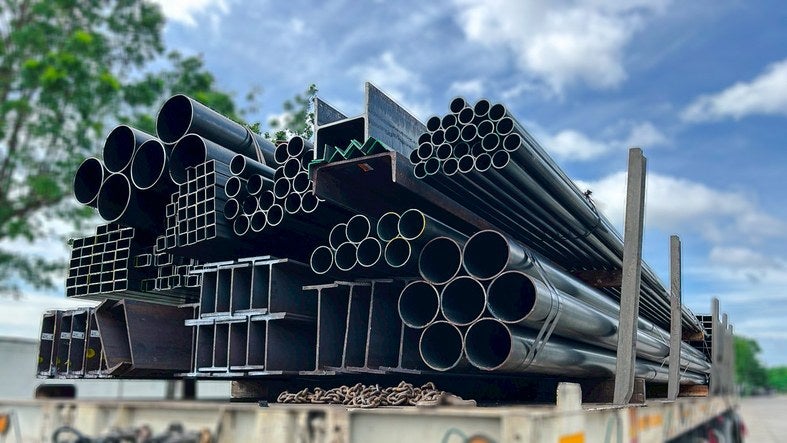
- I-beams and wide flange beams: These are used for horizontal support. Their shape allows them to withstand bending loads efficiently, making them common in floors and roofs.
- Angles and channels: Often used for bracing, frames, and support members, angles work well where two planes meet, while channels provide stiffness in one direction.
- Hollow structural sections (HSS): Structural tubing is available in square, rectangular, and round profiles. They are commonly specified for columns, frames, and bracing due to their uniform strength and consistent wall thickness.
- Plates and bars: Plates are used for base plates, gussets, and connections. Bars are often cut and machined for custom components.
Applications for Structural Steel
The types of structural steel you might choose for your project depend on the load requirements, environment, and fabrication needs.
- Commercial buildings: Wide-flange beams and HSS are common due to predictable loads and standardized designs.
- Industrial facilities: Heavier grades and thicker sections support equipment, cranes, and vibration loads.
- Bridges and infrastructure: HSLA and weathering steels are often specified for strength and durability in exposed environments.
- Warehouses and distribution centers: Long spans and open floor plans often call for a mix of steel beams, joists, and tubing.
How to Choose the Right Structural Steel
Choosing the right material requires matching the specs to the job. A thorough approach helps reduce delays and material returns.
- Confirm ASTM requirements: Project documents usually specify the exact grade. Always match the material to the drawing notes.
- Consider load and span: Higher-strength grades may reduce weight or section size, which affects cost and fabrication.
- Account for the environment: Outdoor or corrosive settings may require weathering steel or coatings.
- Check availability: Not all grades and shapes are readily available. Work with structural steel suppliers that keep a range of products in stock to shorten lead times.
- Plan for fabrication: Weldability and cutting requirements vary by grade. Account for this when estimating shop time and field work.
Partner with a Reliable Structural Steel Supplier
Structural steel decisions demand accuracy, availability, and support. McKnight Steel & Tube Co. has operated since 1954 as a family-owned, wholesale distributor of tubing, pipe, and other metal products. We stock a wide range of structural steel tubing. We also offer value-added processing, including angles, channels, and related components, so you can source more of your order with a single supplier. We deliver within 120 miles of Philadelphia and ship nationwide by common carrier at no extra cost. Contact us today to discuss your requirements or request a quote online.
-
Steel Supply Chain Management: How Contractors Can Prevent Project Setbacks
Preventing Delays in the Steel Supply Chain
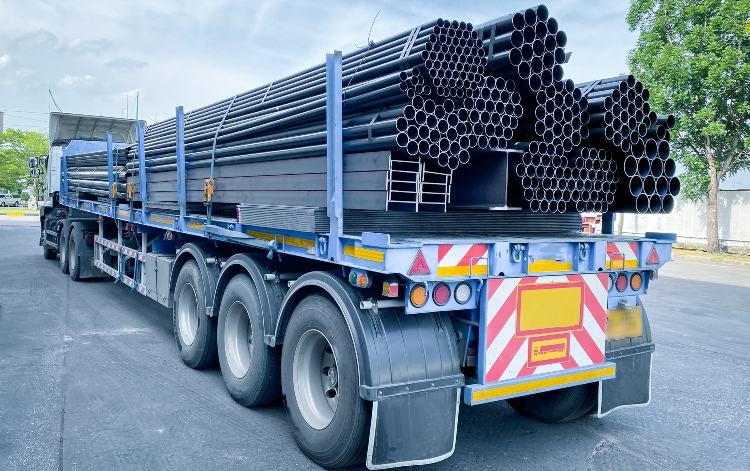
Steel creates the framework for countless construction projects. Whether framing a commercial building, erecting a bridge, or installing other structural elements, contractors depend on the timely delivery of steel products that meet required specifications. When the supply chain stumbles, setbacks ripple through your schedule and budget, ultimately impacting you. Consider good practices and partnerships that can mitigate project setbacks.
Steel Supply Chain Management for Contractors
The steel supply chain encompasses each step the metal takes from raw material to finished product. This includes mill production, processing, quality checks, sales to distributors, logistics, and delivery. As a contractor, you deal with this chain when you specify steel, order it, have it processed or adjusted, and receive it on-site. Steel supply chain management involves controlling these steps to ensure you receive what you need, when you need it, and in the right condition.
Good supply chain management involves the following:
- Choosing reliable suppliers who stock or obtain material quickly and offer processing services.
- Material test reports or certificates of conformity tied to ASTM or ASME specifications.
- Building redundancy in suppliers, so you aren’t forced to depend on a single source.
- Understanding your project’s demands so your orders align with your needs.
How Supply Chain Disruptions Impact Construction Projects
When the steel supply chain drops the ball, your project may suffer:
- Logistics obstacles: Truck shortages, port delays, or regional constraints can mean materials arrive late.
- Supplier disruptions: If your supplier’s mill faces a raw material shortage, your order might be delayed for weeks, leaving you scrambling to find an alternate supplier at a higher cost.
- Project delays: A missing component creates a domino effect of delays, leading to idle crews and pushed-back deadlines.
- Cost overruns: Paying for last-minute rush orders or expedited shipping eats into your profit.
- Out-of-spec material: Steel that fails to meet specifications results in returns, rework, or failure during inspection.
- Inventory mismanagement: Holding too much steel ties up capital and storage space. Having too little on hand risks running out of stock.
Proactive Strategies for Contractors to Prevent Setbacks
Rather than being reactive, follow these proactive strategies to make your steel supply chain more resilient:
- Engage suppliers early: Select a steel partner during the design or early procurement phase.
- Leverage value-added processing: Work with a supplier who can deliver steel that is already cut, deburred, or otherwise processed to reduce in-field labor and minimize your exposure to mistakes.
- Use multiple qualified suppliers: Don’t rely on one supplier or mill. Maintain a network of vetted stainless steel chain suppliers and service centers. If one can’t deliver, another can cover part or all of the order.
- Lock in orders with firm specs: Before fabrication begins, send drawings, specifications, and tolerances to the supplier so they can flag issues, lock in lead times, or reserve inventory. The earlier you place your order, the more lead-time cushion you build.
- Require certification and testing: Request that all steel arrive with material test reports or certificates verifying conformance to ASTM or ASME standards. Ensuring everyone is on the same page regarding the importance of your specifications is the key to avoid rework or returns.
- Implement just-in-time or staged delivery: Instead of receiving all your steel at once, schedule deliveries to coincide with your installation phases. This reduces storage mishandling and risks while maintaining a flexible schedule.
- Monitor and forecast demand: Use data from past projects to forecast your steel needs. Maintain buffer stock for long-lead or specialty items. Track market trends, lead times, and mill schedules, so you’re not caught off guard.
Strengthen Your Project with McKnight Steel & Tube Co.
McKnight Steel & Tube Co. is a family-owned metal supplier that has been in operation since 1954. As an in-stock wholesale distributor of tubing, pipe, and other metal products, we’re confident we can get you what you need, on-time and on budget. We offer value-added processing and fulfill your order to ASTM/ASME standards, accompanied by material test reports.
Our trucks deliver within 120 miles of our location in Philadelphia, PA, and we ship via common carrier across the United States. We maintain strong relationships in the steel industry. For reliable steel production supply chain support, please request a quote or contact us today to review your next project’s needs.
-
Alloy Steel vs Stainless Steel: Which Is Better for Your Project?
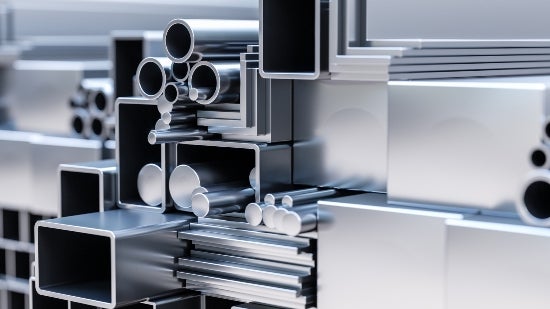
Choosing the right type of steel directly impacts the success of your project, whether you’re constructing a building, designing machinery, or sourcing materials for fabrication. Alloy steel and stainless steel are two popular options, each with specific benefits and applications. Understanding their differences can help you make informed decisions that meet your project’s exact requirements. Below, we’ll compare these two metals, their types, and the factors to consider when selecting the ideal solution for your project.
What Are Alloy Steel and Stainless Steel?
Both alloy steel and stainless steel belong to the larger family of steel but differ in composition and properties.
- Alloy Steel is carbon steel mixed with additional elements like manganese, nickel, chromium, and molybdenum. These additions enhance its strength, toughness, and resistance to wear and fatigue. It is commonly used for heavy-duty applications like pipelines, machinery parts, and automotive components.
- Stainless Steel is steel that contains at least 10.5% chromium, giving it excellent corrosion resistance. Used in environments prone to moisture or chemicals, stainless steel is ideal for food processing, medical devices, and construction.
Understanding the basics of each type can guide your selection and guarantee the material meets your engineering or industrial needs. Discover the rich history and unparalleled expertise of McKnight Steel.
Why It’s Important to Choose the Right Steel
The success and safety of your project heavily relies on selecting the right material for specific applications. Choosing incorrectly can lead to material failure, reduced performance, or higher costs. Here are some key points to consider:
- Project requirements may demand specific grades or tolerances of steel.
- Environmental conditions, such as exposure to moisture or extreme temperatures, should guide material choice.
- Performance, including strength or resistance to corrosion, depends largely on steel type.
At McKnight Steel & Tube Co., we understand these needs and stock a broad range of alloy and stainless steel to help meet your exact specifications. With fast delivery times across Warminster and Philadelphia, our team keeps your project on schedule.
Explore our extensive inventory to help you plan for your next project with ease.
Types of Steel to Know About
Both alloy steel and stainless steel come in different forms designed for specific purposes.
Types of Alloy Steel
- High-Strength Low-Alloy Steel (HSLA): Ideal for structural applications due to its strength and lightweight properties.
- Tool Steel: Used for cutting, shaping, and drilling due to its hardness and wear resistance.
Types of Stainless Steel
- Austenitic Stainless Steel: Non-magnetic and resistant to corrosion. Austenitic stainless steel is widely used in many industries and applications.
- Ferritic Stainless Steel: Magnetic and less corrosion-resistant but cost-effective for automotive parts. It offers excellent ductility and formability.
- Martensitic Stainless Steel: Strong and hard but less corrosion-resistant and more difficult to fabricate. Used where hardness is required.
Understanding the range of steel types available allows you to select one aligned with your functional and environmental requirements.
Comparing Key Factors
To help make your decision, here’s a quick comparison of alloy steel and stainless steel based on important criteria.
- Corrosion Resistance: Stainless steel is generally better suited for environments prone to moisture or exposure to chemicals.
- Strength: Alloy steel, especially tool steel or high-strength low-alloy steel, offers superior strength and wear resistance.
- Cost Efficiency: Alloy steel tends to be more economical, especially for large-scale projects where corrosion resistance isn’t a priority.
Each material excels in certain areas, so selecting the right steel depends on its intended application.
Why Choose McKnight Steel?
At McKnight Steel & Tube Co., we’ve been serving the Philadelphia and Warminster, PA, areas since 1954. Here’s why engineers, metal purchasers, and construction companies trust us:
- Extensive Inventory: Stocking carbon, stainless, aluminum, and alloy tubing and pipe in various shapes (round, square, and rectangular).
- Fast Delivery: Our company trucks deliver within a 120-mile radius of Warminster, PA, with quick turnaround times.
- Value-Added Services: Cutting to precise lengths, deburring, threading, and fabricating.
- One-Stop Solution: Customers can order both tubing and complementary metal shapes, such as angles and channels, ensuring their entire project’s needs are met.
With an unmatched commitment to service and reliability, McKnight Steel provides materials that meet your project specifications and delivery schedules.
Contact Us for Your Steel Needs
Selecting the right steel doesn’t have to be complicated. With expertise spanning over six decades, McKnight Steel & Tube Co. is ready to help find the perfect material for your project. When you need alloy steel for its strength or stainless steel for its durability, we stock a vast inventory to meet your needs.
Contact us today at 215-396-9976 to request a quote or speak with our experienced team. Family-owned and operated since 1954, we are here to ensure your project’s success—on time, every time.
-
What Are Different Types of Steel?
What Are the Different Types of Steel?
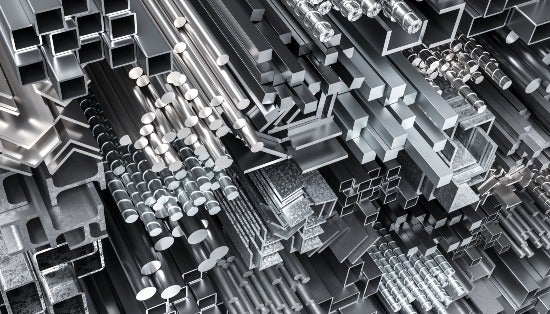
Steel is one of the most versatile and extensively used materials in the world. Its combination of strength, durability, and adaptability makes it an integral part of countless industries, from construction to manufacturing. For businesses, understanding the different types of steel is key for sourcing the right material for projects. Explore the types of steel, their characteristics, and practical applications to help with informed decisions.
What Is Steel?
Steel is an alloy primarily composed of iron, combined with varying amounts of carbon and other elements, such as manganese, chromium, nickel, or vanadium. The carbon content, typically between 0.2% and 2.1%, provides the steel’s hardness and strength. By adjusting the composition, various types of steel are created, each designed for different applications.
Steel’s popularity stems from its high strength-to-weight ratio, its versatility, and its ability to be recycled. When you need material for machinery, infrastructure, or decorative elements, steel offers scalable options. For more details on steel options and our supply services, visit our products and services page.
Types of Steel
Steel is broadly categorized into four main types, each suited for specific uses:
1. Carbon Steel
- Composition: Primarily iron and carbon, with minor traces of other elements.
- Grades
- Low Carbon Steel (mild steel): Easy to machine and weld. Used for structural elements and car parts.
- Medium Carbon Steel: Greater strength and wear resistance, making it ideal for automotive components and tools.
- High Carbon Steel: Extremely hard and durable, often used in cutting tools and springs.
- Applications
- Construction (beams, columns, girders)
- Machine parts
- Automotive components
- Tools and knives
2. Alloy Steel
- Composition: Mixed with elements like chromium, nickel, and molybdenum.
- Purpose: Enhances properties like strength, toughness, and corrosion resistance.
- Applications:
- Pipelines
- Gears
- Automotive parts
- Turbine blades
Alloy steels vary greatly in strength and performance based on their composition.
3. Stainless Steel
- Composition: Contains at least 10.5% chromium, which creates a corrosion-resistant surface.
- Key Features:
- Rust and stain resistance
- Aesthetic appeal
- Applications:
- Kitchen equipment
- Medical instruments
- Architectural facades
- Automotive trim
At McKnight Steel, our stocking capabilities ensure we provide premium stainless steel materials suitable for an array of demanding projects. Learn more about why we stand out as a steel supply company.
4. Tool Steel
- Composition: High carbon content with additional alloys to enhance hardness and heat resistance.
- Applications:
- Cutting tools
- Dies and molds
- Drill bits
Tool steel is specifically engineered for industrial applications requiring extreme durability.
Specialty Steels
Specialty steels are high-performance materials developed for specific applications. Examples include:
- High Strength Low Alloy (HSLA) Steel: Lightweight and strong, used in automotive frames and bridges.
- Weathering Steel (such as COR-TEN): Resistant to atmospheric corrosion, making it ideal for outdoor structures.
Choosing the Right Type of Steel
Selecting the appropriate steel type will determine the success of your project. Below are factors to consider:
- Application: What is the end use? Structural components, tools, or decorative items may require different steel types.
- Environment: Will the steel be exposed to moisture, chemicals, or extreme temperatures? Opt for corrosion-resistant alloys as needed.
- Specifications: Refer to engineering drawings and industry standards (e.g., ASTM, SAE) to support compliance.
- Budget: Choose steels that balance performance requirements with cost efficiency.
If you’re unsure about the best options for your business, our team of experts can help guide you.
Why Choose McKnight Steel?
Since 1954, McKnight Steel & Tube Co. has earned a stellar reputation in Warminster and Philadelphia as a reliable, family-operated steel supplier. Here’s what sets us apart:
- Extensive Inventory: Carbon, stainless, aluminum, and alloy tubing and pipe products in various shapes and sizes are readily available.
- Fast Delivery: We strive for 24-48 hour turnaround times on stock items with no extra shipping charges for deliveries within a 120-mile radius.
- Stocking Distributor: Unlike competitors, we maintain an inventory, ensuring quicker and more reliable order fulfillment.
- Whole-Order Fulfillment: Need tubing and additional metal components like angles or channels? We provide everything you need for your project.
- Customer Focus
- Material cut-to-length and deburring services as needed.
- Assistance from knowledgeable industry professionals.
To learn more about what makes us the preferred regional metal supplier, check our services page.
Start Your Order Today
Steel is an essential material for many industries, and McKnight Steel is here to provide high-quality, reliable solutions for your needs. Whether you’re an engineer looking for a specific grade or a metal purchaser sourcing bulk inventory, we have you covered.
Contact us today to discuss your requirements or request a quote. Call us at 215-396-9976 or visit our contact page to get started. With decades of expertise and a customer-first commitment, we’re ready to deliver the materials your project demands—on time and to specification.