
-
The Different Types of Structural Steel
A Guide to Structural Steel in Philadelphia, PA
Structural steel is one of the most important materials in modern construction. Choosing the right type ensures your project is strong, safe, and built to last.
With so many options available, it’s common to wonder which type of structural steel is best for your application. This guide breaks down the most common steel types, shapes, and connection methods so you can make a confident decision.
At McKnight Steel & Tube Co., we’ve been supplying quality steel products since 1954. Our team is here to help you find the right materials for any project in the Philadelphia area and beyond.
Common Types of Structural Steel Materials
The first step in selecting structural steel is choosing the proper material composition. Different steels offer varying levels of strength, flexibility, and corrosion resistance.
Here are the most widely used types:
- Carbon Steel: Carbon steel is made primarily of iron and carbon. It is one of the most commonly used structural materials because it offers a strong balance of strength, affordability, and workability. Low-carbon steel is especially popular because it is easy to form and weld.
- High-Strength Low-Alloy (HSLA) Steel: HSLA steel contains small amounts of alloying elements such as manganese or vanadium. It delivers improved strength and corrosion resistance compared to standard carbon steel—often allowing for lighter structures without sacrificing performance.
- Forged Steel: Forged steel is shaped under high pressure, making it denser and more durable than many other types. This process enhances impact resistance, making it ideal for demanding structural applications.
- Quenched and Tempered Alloy Steel: This steel undergoes controlled heating and rapid cooling to increase toughness and durability. It performs well in heavy-duty environments such as construction, infrastructure, and mining equipment.
Types of Structural Steel Shapes and Sections
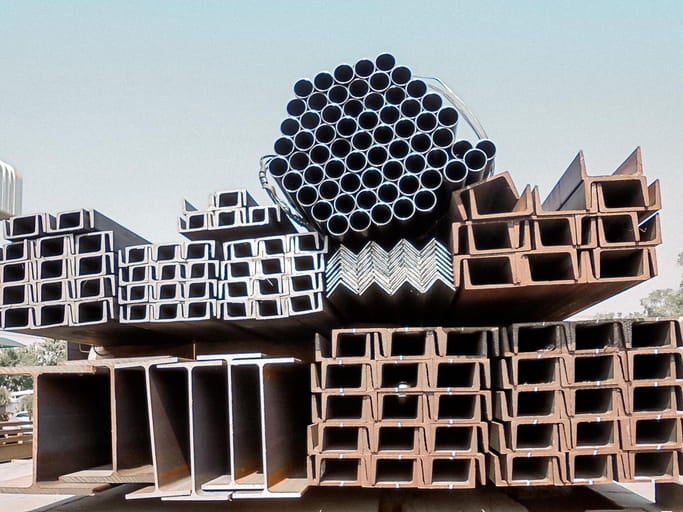
Once you’ve selected the right material, the next step is choosing the correct shape. Each structural section is designed to handle specific loads and stresses.
- I-Beams: I-beams are one of the most common structural shapes. They provide excellent resistance to bending and are widely used in building frames and load-bearing applications.
- Channel Sections (C-Channels): Channel sections offer strong support and are frequently used in commercial construction and transportation equipment.
- Angle Shapes: These L-shaped components are often used for bracing and connections. They provide strength while helping tie different structural elements together.
- Hollow Structural Sections (HSS): HSS shapes include square, rectangular, and round tubing. They offer high strength and excellent resistance to twisting, making them ideal for columns and architectural structures.
- Steel Plates: Steel plates are flat sheets that can be cut to custom sizes. They’re commonly used to reinforce structures, foundations, and bridge components.
Types of Connections in Steel Structures
Strong connections are critical to the integrity of any steel structure. The right connection method ensures loads are safely transferred throughout the framework.
- Welded Connections: Welding fuses steel components together, creating a rigid and permanent bond. This method is ideal when maximum strength and durability are required.
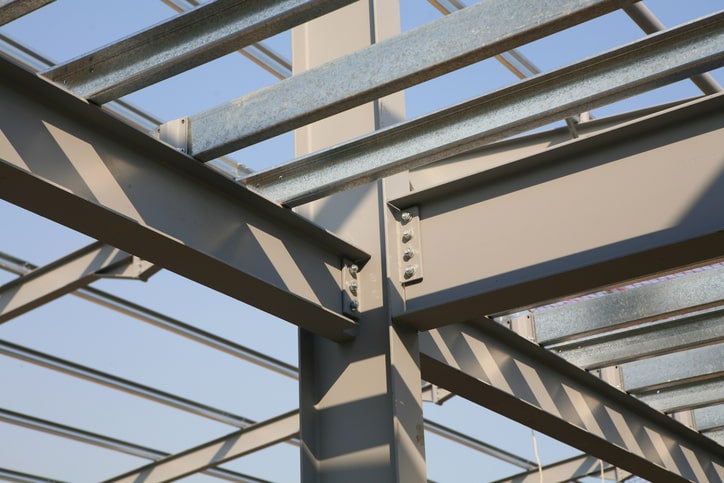
- Bolted Connections: Bolted joints use high-strength fasteners to connect steel members. They are quick to assemble and allow for easier adjustments or future modifications.
- Riveted Connections: While less common today, riveted connections are still found in older structures. They involve fastening steel with heated metal pins that are then formed into place.
Frequently Asked Questions
What Are the Advantages of HSLA Steel?
HSLA steel allows you to reduce weight without losing strength. This can lower transportation costs and reduce the load on your foundation.
How Do I Choose the Right Structural Steel Shape?
Your choice depends on how the structure will handle weight and stress. For example, I-beams are ideal for horizontal loads, while hollow sections perform well for vertical columns and torsional resistance.
Work with a Trusted Steel Supplier
Choosing the right structural steel is easier when you have an experienced partner on your side.
McKnight Steel & Tube Co. has been family-owned and operated since 1954, supplying high-quality steel products across the Philadelphia region and nationwide. With a reliable delivery fleet and industry expertise, we help ensure your project stays on track.
Need help selecting the right materials? Contact our team today for expert guidance and fast service.
-
Understanding Structural Steel Grades for Construction
A Practical Guide to Structural Steel Grades in Philadelphia, PA
Structural steel is the backbone of modern construction—from commercial buildings to bridges and industrial facilities. Choosing the right grade is essential to ensure strength, safety, and long-term performance.
Not all steel is the same. Different structural steel grades are engineered for specific applications, with defined chemical compositions and mechanical properties. Selecting the wrong grade—especially in load-bearing applications—can lead to costly issues or even structural failure.
This guide explains common structural steel grades, what their specifications mean, and how to choose the right material for your project.
At McKnight Steel & Tube Co., we’ve been supplying high-quality steel products since 1954, helping customers throughout the Philadelphia region make informed purchasing decisions.
What Are Structural Steel Grades?
Structural steel grades classify materials based on their composition and performance characteristics, such as strength, weldability, and durability.
Organizations like the American Society for Testing and Materials (ASTM) establish standardized specifications so engineers and buyers know exactly what they’re getting. These classifications ensure consistency, safety, and compatibility across construction projects.
Types of Structural Steel Grades
Carbon Steel Grades
Carbon steel is categorized based on the amount of carbon in the material, which directly affects strength and flexibility.
- Low Carbon Steel (up to 0.3%): Also known as mild steel, this is the most commonly used structural material. It is easy to form, cut, and weld—making it ideal for general construction and framing.
- Medium Carbon Steel (0.3%–0.6%): This offers higher strength and durability. It is often used in machinery components and applications where added toughness is required.
- High Carbon Steel (above 0.6%): This type is extremely hard and wear-resistant. It is typically used for tools, blades, and applications requiring maximum durability rather than flexibility.
High-Strength Low-Alloy (HSLA) Steel
HSLA steels are designed to provide greater strength and corrosion resistance than standard carbon steel—without significantly increasing weight.
- Chromium-Alloy Steel: Chromium improves corrosion resistance and durability, making this steel suitable for bridges and exposed structures.
- Nickel-Alloy Steel: Nickel enhances toughness, especially in harsh environments. This makes it a strong choice for offshore, marine, and heavy industrial applications
Common ASTM Structural Steel Grades
ASTM specifications use a letter-and-number system to identify steel types. The letter “A” indicates ferrous metals, while the numbers define specific performance requirements.
Here are some of the most widely used structural steel grades:
- A36: A cost-effective, low-carbon steel commonly used in general construction. It offers excellent weldability and versatility.
- A500 Grade B: Used for structural tubing, including round, square, and rectangular shapes. It is commonly specified for HSS applications and requires a minimum yield strength of 290 MPa.
- A572 Grade 50: A high-strength, low-alloy steel with a minimum yield strength of 50 ksi. It allows for lighter designs without sacrificing structural performance.
- A588 (Weathering Steel): Designed to resist atmospheric corrosion. This grade is often used in outdoor structures where painting or maintenance is limited.
- A992: The modern standard for wide-flange beams and structural shapes. It provides excellent strength, reliability, and weldability in building construction.
Key Properties to Consider When Choosing a Grade
Each grade of structural steel performs differently depending on the application. Before selecting a material, it’s important to evaluate the following properties:
- Strength: Determines how much load the steel can support before deforming.
- Ductility: Allows the steel to bend or stretch under stress without breaking—critical for absorbing loads and impacts.
- Weldability: Affects how easily components can be joined without compromising structural integrity.
- Corrosion Resistance: Essential for structures exposed to moisture, chemicals, or harsh environmental conditions
Frequently Asked Questions
Why Are There So Many Structural Steel Grades?
Each grade is designed for a specific purpose. For example, A36 works well for general applications, while A992 is better suited for heavy structural beams. The right choice depends on load requirements, environment, and design specifications.
Can You Substitute One Steel Grade for Another?
Substituting grades without proper engineering approval can be risky. Different grades have different properties, and using the wrong one can compromise performance and violate building codes. Always confirm specifications before making a change.
How Do You Verify Steel Grades?
Steel suppliers provide Material Test Reports (MTRs) that document the chemical composition and mechanical properties of the material. Reviewing these reports ensures the steel meets the required standards for your project.
Work with a Trusted Steel Supplier
Selecting the right structural steel grade requires experience and attention to detail.
McKnight Steel & Tube Co. has been a trusted, family-owned supplier since 1954, serving customers throughout Pennsylvania and across the United States. We provide a full range of carbon, stainless, aluminum, and alloy products—delivered efficiently and backed by knowledgeable support.
Need help choosing the right steel grade? Contact our team today for expert guidance and fast, reliable service.
-
Mechanical vs. Structural Tubing: Which Should You Choose?
A Clear Comparison for Buyers in Philadelphia, PA
At first glance, mechanical tubing and structural tubing can look nearly identical. But in practice, they serve very different purposes—and choosing the wrong one can lead to performance issues, added costs, or fabrication challenges.
The difference comes down to precision vs. strength.
This guide explains how mechanical and structural tubing compare, where each performs best, and how to choose the right option for your project.
At McKnight Steel & Tube Co., we’ve helped customers across the Philadelphia region select the right tubing since 1954. Here’s what you need to know.
What Is Mechanical Tubing?
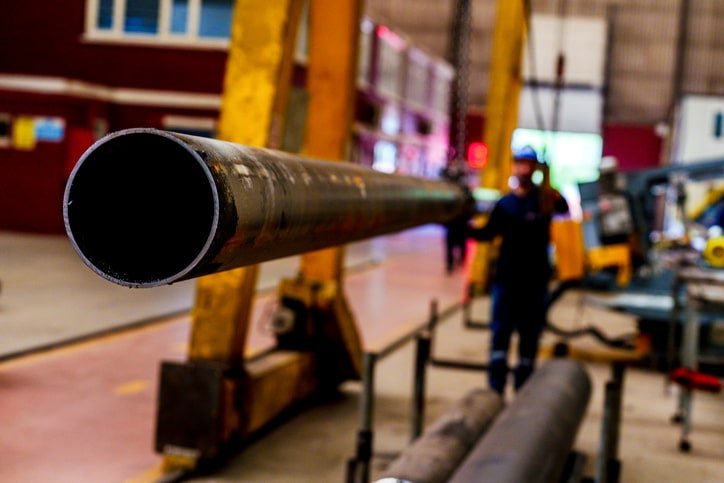
Mechanical tubing is designed for precision, consistency, and finish. It is manufactured to tighter dimensional tolerances and smoother surface conditions than structural tubing.
Because of that, it’s commonly used in parts and assemblies where exact sizing and appearance matter more than load-bearing capacity. ASTM A513 is one of the most common standards associated with mechanical tubing.
Key Characteristics
Mechanical tubing is typically chosen for:
- Tight outside and inside diameter tolerances
- Consistent wall thickness
- Smooth, clean surface finish
- Good machinability
- Availability in round, square, and rectangular shapes
- Welded or seamless options
Common Applications
You’ll find mechanical tubing in projects where precision is critical:
- Conveyor rollers
- Automotive components
- Fitness equipment
- Medical devices
- Agricultural machinery
- Furniture frames
- Appliance parts
What Is Structural Tubing?
Structural tubing is built for strength, durability, and load-bearing performance. It is commonly referred to as Hollow Structural Section (HSS) when used in construction.
Unlike mechanical tubing, structural tubing prioritizes structural integrity over tight tolerances. It is typically produced to ASTM A500 standards and is widely used in construction and infrastructure.
Key Characteristics
Structural tubing is known for:
- High strength-to-weight ratio
- Load-bearing capability
- Resistance to bending and torsion
- Suitability for welding and fabrication
- Consistent performance in outdoor and exposed environments
- Availability in square, rectangular, and round shapes
Common Applications
Structural tubing is used wherever strength and support are required:
- Building columns and frames
- Bridges
- Equipment supports
- Sign structures
- Trailer frames
- Oil and gas structures
- Industrial racks and platforms
Mechanical vs. Structural Tubing: Key Differences
The main difference between mechanical and structural tubing comes down to purpose. Mechanical tubing serves precision-based applications. Structural tubing serves strength-based applications. That basic contrast affects almost every buying decision. A side-by-side comparison makes the distinction easier to understand:
Key Differences at a Glance
While they may look similar, the differences between these two materials are significant.
At a Glance
Feature Mechanical Tubing Structural Tubing Primary Purpose Precision and appearance Strength and support Tolerances Tight and controlled Less strict Surface Finish Smooth and clean Less critical Common Standards ASTM A513 ASTM A500 Typical Use Machinery and components Buildings and infrastructure Load-Bearing Role Limited Designed for structural loads How Manufacturing Affects Performance
The manufacturing process directly impacts how each type of tubing performs in real-world applications.
Mechanical Tubing Performance
Mechanical tubing is optimized for accuracy and consistency:
- Fits precisely in tight-tolerance assemblies
- Easier to machine, cut, and fabricate
- Ideal for moving parts and mechanical systems
- Better appearance for finished products
Structural Tubing Performance
Structural tubing is optimized for strength and durability:
- Supports heavy static and dynamic loads
- Performs well in welded structures
- Maintains integrity over long spans
- Provides strong support with less weight than solid steel
How to Choose the Right Tubing
The right choice depends on what your project demands most. Start by identifying whether precision or strength is the priority.
Ask a few practical questions before placing an order.
Choose Mechanical Tubing If You Need:
- Tight dimensional tolerances
- Smooth surface quality
- Machining or detailed fabrication
- Consistent fit with other components
- A clean, finished appearance
Choose Structural Tubing If You Need:
- Load-bearing performance
- Structural integrity in frames or columns
- Outdoor durability
- Code-compliant construction materials
- Strength for heavy equipment or infrastructure
Frequently Asked Questions
Is Mechanical Tubing Stronger Than Structural Tubing?
Not typically. Mechanical tubing can offer good strength, but structural tubing is specifically engineered for load-bearing applications. For structural use, it is usually the better choice.
Can Structural Tubing Be Used in Mechanical Applications?
Sometimes—but it may create issues. Structural tubing doesn’t provide the same tight tolerances or surface finish, which can affect fit and performance in precision assemblies.
Which Type Costs More?
Pricing depends on size, grade, and availability. Mechanical tubing may cost more due to tighter tolerances and finishing requirements, while structural tubing is often more cost-effective for large-scale construction.
Work with a Supplier Who Knows the Difference
Mechanical and structural tubing serve very different roles. Choosing correctly can improve performance, reduce waste, and prevent costly mistakes.
McKnight Steel & Tube Co. has been a trusted, family-owned supplier since 1954. We provide a full range of tubing, pipe, and structural products—with reliable delivery throughout the Philadelphia region and nationwide.
Not sure which tubing is right for your project? Contact our team today for expert guidance and fast, dependable service.