
-
Mechanical vs. Structural Tubing: Which Should You Choose?
A Clear Comparison for Buyers in Philadelphia, PA
At first glance, mechanical tubing and structural tubing can look nearly identical. But in practice, they serve very different purposes—and choosing the wrong one can lead to performance issues, added costs, or fabrication challenges.
The difference comes down to precision vs. strength.
This guide explains how mechanical and structural tubing compare, where each performs best, and how to choose the right option for your project.
At McKnight Steel & Tube Co., we’ve helped customers across the Philadelphia region select the right tubing since 1954. Here’s what you need to know.
What Is Mechanical Tubing?
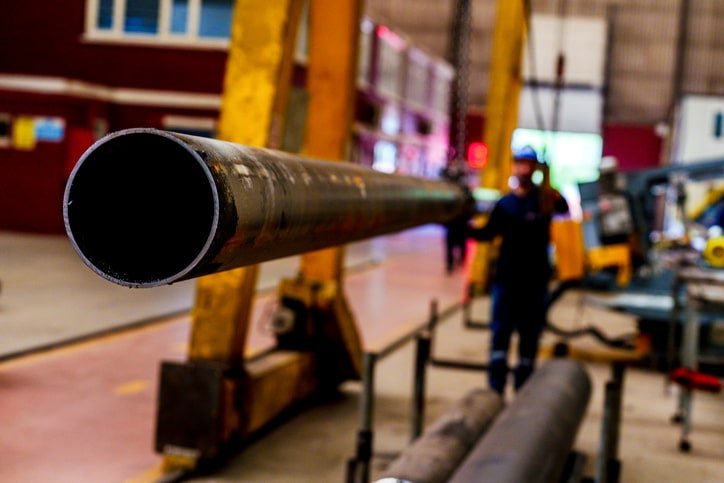
Mechanical tubing is designed for precision, consistency, and finish. It is manufactured to tighter dimensional tolerances and smoother surface conditions than structural tubing.
Because of that, it’s commonly used in parts and assemblies where exact sizing and appearance matter more than load-bearing capacity. ASTM A513 is one of the most common standards associated with mechanical tubing.
Key Characteristics
Mechanical tubing is typically chosen for:
- Tight outside and inside diameter tolerances
- Consistent wall thickness
- Smooth, clean surface finish
- Good machinability
- Availability in round, square, and rectangular shapes
- Welded or seamless options
Common Applications
You’ll find mechanical tubing in projects where precision is critical:
- Conveyor rollers
- Automotive components
- Fitness equipment
- Medical devices
- Agricultural machinery
- Furniture frames
- Appliance parts
What Is Structural Tubing?
Structural tubing is built for strength, durability, and load-bearing performance. It is commonly referred to as Hollow Structural Section (HSS) when used in construction.
Unlike mechanical tubing, structural tubing prioritizes structural integrity over tight tolerances. It is typically produced to ASTM A500 standards and is widely used in construction and infrastructure.
Key Characteristics
Structural tubing is known for:
- High strength-to-weight ratio
- Load-bearing capability
- Resistance to bending and torsion
- Suitability for welding and fabrication
- Consistent performance in outdoor and exposed environments
- Availability in square, rectangular, and round shapes
Common Applications
Structural tubing is used wherever strength and support are required:
- Building columns and frames
- Bridges
- Equipment supports
- Sign structures
- Trailer frames
- Oil and gas structures
- Industrial racks and platforms
Mechanical vs. Structural Tubing: Key Differences
The main difference between mechanical and structural tubing comes down to purpose. Mechanical tubing serves precision-based applications. Structural tubing serves strength-based applications. That basic contrast affects almost every buying decision. A side-by-side comparison makes the distinction easier to understand:
Key Differences at a Glance
While they may look similar, the differences between these two materials are significant.
At a Glance
Feature Mechanical Tubing Structural Tubing Primary Purpose Precision and appearance Strength and support Tolerances Tight and controlled Less strict Surface Finish Smooth and clean Less critical Common Standards ASTM A513 ASTM A500 Typical Use Machinery and components Buildings and infrastructure Load-Bearing Role Limited Designed for structural loads How Manufacturing Affects Performance
The manufacturing process directly impacts how each type of tubing performs in real-world applications.
Mechanical Tubing Performance
Mechanical tubing is optimized for accuracy and consistency:
- Fits precisely in tight-tolerance assemblies
- Easier to machine, cut, and fabricate
- Ideal for moving parts and mechanical systems
- Better appearance for finished products
Structural Tubing Performance
Structural tubing is optimized for strength and durability:
- Supports heavy static and dynamic loads
- Performs well in welded structures
- Maintains integrity over long spans
- Provides strong support with less weight than solid steel
How to Choose the Right Tubing
The right choice depends on what your project demands most. Start by identifying whether precision or strength is the priority.
Ask a few practical questions before placing an order.
Choose Mechanical Tubing If You Need:
- Tight dimensional tolerances
- Smooth surface quality
- Machining or detailed fabrication
- Consistent fit with other components
- A clean, finished appearance
Choose Structural Tubing If You Need:
- Load-bearing performance
- Structural integrity in frames or columns
- Outdoor durability
- Code-compliant construction materials
- Strength for heavy equipment or infrastructure
Frequently Asked Questions
Is Mechanical Tubing Stronger Than Structural Tubing?
Not typically. Mechanical tubing can offer good strength, but structural tubing is specifically engineered for load-bearing applications. For structural use, it is usually the better choice.
Can Structural Tubing Be Used in Mechanical Applications?
Sometimes—but it may create issues. Structural tubing doesn’t provide the same tight tolerances or surface finish, which can affect fit and performance in precision assemblies.
Which Type Costs More?
Pricing depends on size, grade, and availability. Mechanical tubing may cost more due to tighter tolerances and finishing requirements, while structural tubing is often more cost-effective for large-scale construction.
Work with a Supplier Who Knows the Difference
Mechanical and structural tubing serve very different roles. Choosing correctly can improve performance, reduce waste, and prevent costly mistakes.
McKnight Steel & Tube Co. has been a trusted, family-owned supplier since 1954. We provide a full range of tubing, pipe, and structural products—with reliable delivery throughout the Philadelphia region and nationwide.
Not sure which tubing is right for your project? Contact our team today for expert guidance and fast, dependable service.
-
Stainless Steel Pipe: A Flexible, High-Strength Metal
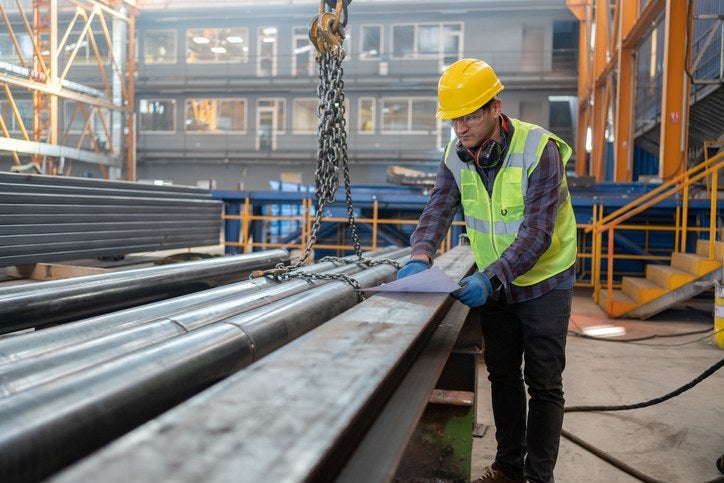
Are you sourcing pipe materials for a project that requires strength, corrosion resistance, and consistent performance? Stainless steel pipe is commonly specified for applications requiring explicit fluid transfer, pressure containment, or structural support. Available in seamless and welded forms, stainless steel tubing products are often preferred in processing, manufacturing, and energy sectors because they meet defined standards and perform reliably in demanding conditions.
What Is Stainless Steel Pipe?
Stainless steel is an alloy of iron, chromium, nickel, and other elements that give it corrosion resistance and strength. Stainless steel pipe is a hollow, cylindrical product specified by nominal size and schedule and is typically used for pressure-rated systems. Stainless steel tubing is specified by actual outside diameter and wall thickness and is used where tighter dimensional tolerances are required.
ASTM A312 and ASME SA312 cover seamless and welded austenitic stainless steel pipe. Seamless products are preferred for high-pressure or high-temperature applications. Welded stainless steel pipe is made by forming and welding flat strip or coil and is suitable where pressures and environments are within certain design limits. Stainless steel tubing is produced under separate ASTM standards, such as ASTM A213 for seamless tubing and ASTM A269 for general-purpose tubing.
Advantages of Stainless Steel Pipes
Stainless steel pipe and tubing offer several advantages in industrial settings:
- Corrosion resistance: The chromium content in stainless steel forms a passive oxide layer that resists rust. Grades like 304/304L and 316/316L are common choices for chemical environments.
- Strength and durability: Stainless steel pipe offers sufficient strength for pressure, structural, and mechanical applications. Grade designations often include mechanical property requirements to meet load-bearing or containment needs.
- Specification conformity: Industrial stainless steel tubing and pipe meet exact ASTM and ASME standards. Spec adherence helps ensure that components perform as expected.
- Versatility: Stainless steel pipe is available in various production methods and a range of diameters, schedules, and grades to suit many applications.
- Machinability and fabrication: Certain grades, like 304L, are easier to weld, with a reduced risk of carbide precipitation at weld zones. This factor is important for systems requiring welding during installation.
Applications for Stainless Steel Pipe
Stainless steel is the preferred material in a variety of industrial environments:
- Chemical processing: Pipes that convey corrosive fluids or gases require strength and resistance to chemical attack.
- Food and beverage production: Stainless steel pipe is specified where cleanability and non-reactivity are required.
- Pharmaceutical and biotechnology: Applications often require tubing and pipe that meet sanitary and quality standards.
- Marine and offshore: Corrosion resistance in saltwater and humid environments demands stainless alloys.
- Energy and power: Stainless pipe can serve steam, water, and process systems in conventional power plants and renewable installations.
- Manufacturing and industrial plant services: General fluid conveyance, high-pressure process lines, and heat-exchange systems all rely on stainless steel pipe or tubing that meets code requirements.
Why Choose Stainless Steel Over Other Materials?
When comparing materials, stainless steel stands out for its corrosion performance, impressive temperature range, and versatility. While alternatives like carbon steel or plastics may be suitable for some applications, they typically don’t offer the same corrosion resistance, mechanical properties, and specification compliance as industrial stainless steel pipe and tubing.
Tips for Selecting the Right Stainless Steel Pipe
Choosing the best stainless steel pipe for your industrial use case requires looking at the specifications and service conditions:
- Match the standard to the application: Determine which ASTM or ASME standard applies based on the pressure, temperature, and environment.
- Select the right grade: 304/304L is suitable for many general applications, while 316/316L offers greater resistance to chlorides and acidic environments.
- Compare production methods: Seamless stainless steel pipe is often specified for applications with high pressure or cyclic loads. Welded pipe may be acceptable, as long as the weld integrity meets the project requirements.
- Check wall thickness and schedule: Pipe wall thickness affects pressure ratings and is usually defined by schedule numbers (Schedule 40, Schedule 80, etc.). Ensure the selected schedule meets the design criteria.
- Obtain material test reports: This step lets you verify chemical composition and mechanical properties against the applicable ASTM or ASME standard. Require traceable documentation with each shipment to confirm compliance with the ordered specifications.
Source Stainless Steel Pipe for Your Next Project
If you’re looking for a reputable steel pipe supplier, turn to McKnight Steel & Tube Co. We have served industrial customers since 1954 as a family-owned wholesale distributor of tubing, pipe, and other metal products. We stock materials to ASTM and ASME specifications and aim for a quick turnaround time for stocked items. Our value-added processing includes precision cutting and preparation, so your order arrives ready for fabrication or installation. We deliver within 120 miles of our Philadelphia facility and ship across the U.S. via common carrier. Contact us today to request a quote or ask our team about the best stainless steel pipe and tubing for your needs.
-
McKnight Steel: Your Trusted Local Metal Tubing Supplier
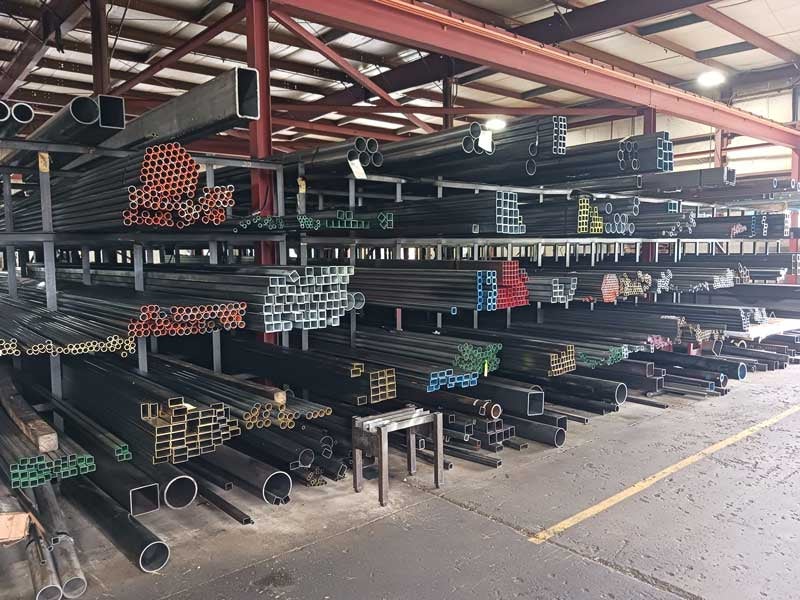
When it comes to sourcing metal tubing, quality and reliability are important. If you are seeking a dependable local supplier in the metal tubing industry, try McKnight Steel. With a commitment to excellence, a rich history, and products meeting ASTM specifications, McKnight Steel has established itself as a top choice for metal tubing needs.
A Legacy of Excellence
McKnight Steel, a family-owned business with decades of experience, has a legacy of excellence that extends back to its founding. Established in 1954, McKnight Steel has become an integral part of the local community, providing metal tubing and related products to a diverse range of industries. Over the years, the company has built a reputation for consistently delivering quality products meeting customer specifications.
Diverse Product Range
McKnight Steel’s commitment to quality extends across a diverse range of metal products. Whether you’re in the automotive, construction, fabrication, manufacturing or other industry, McKnight Steel has tubing products that meet your needs. Material is available to ASTM specifications with accompanying material test reports. Product offerings include:
- Round Tubing: From standard sizes to custom orders, McKnight Steel offers round tubing in dimensions for a variety of applications.
- Square and Rectangular Tubing: Perfect for structural applications, square and rectangular tubing are known for strength and versatility.
- Mechanical Tubing: Designed for a wide range of mechanical applications, this tubing is ideal for those seeking reliability and durability.
- Stainless Steel Tubing: When corrosion resistance is essential, McKnight Steel provides a range of stainless steel tubing options.
- Aluminum Tubing: For lightweight yet robust solutions, aluminum tubing is sought after in industries where weight is a critical factor.
Unmatched Customer Service
McKnight Steel works to provide exceptional customer service. Our experienced team is ready to assist you in choosing the right tubing for your specific application, offering technical expertise and guidance through the process. Whether you have questions about ASTM specifications or need assistance with a custom order, we are here to support you.
McKnight Steel’s success is in its customer-centric approach. We view each customer as a valued partner and strive to build lasting relationships based on trust and mutual success. This approach is reflected in several key aspects of our operations:
- Competitive Pricing: McKnight Steel maintains competitive pricing, ensuring that customers receive excellent value for their investment.
- On-Time Delivery: Recognizing the importance of timeliness, McKnight Steel is committed to delivering orders on schedule so customers meet project deadlines.
- Responsive Customer Support: McKnight Steel’s sales team is readily available to assist with inquiries, orders, and technical assistance. They prioritize responsiveness and aim to provide solutions promptly.
Conclusion
McKnight Steel & Tube Co. works to serve its community as a quality local metal tubing supplier. With a legacy of excellence, a commitment to quality, and a diverse range of in-stock tubing products, McKnight Steel works to earn the trust of its customers. When you choose McKnight Steel as your metal tubing supplier, you’re not just getting a metal product; you’re gaining a partner dedicated to your success.
-
Your Top Choice for Tubing and Pipe
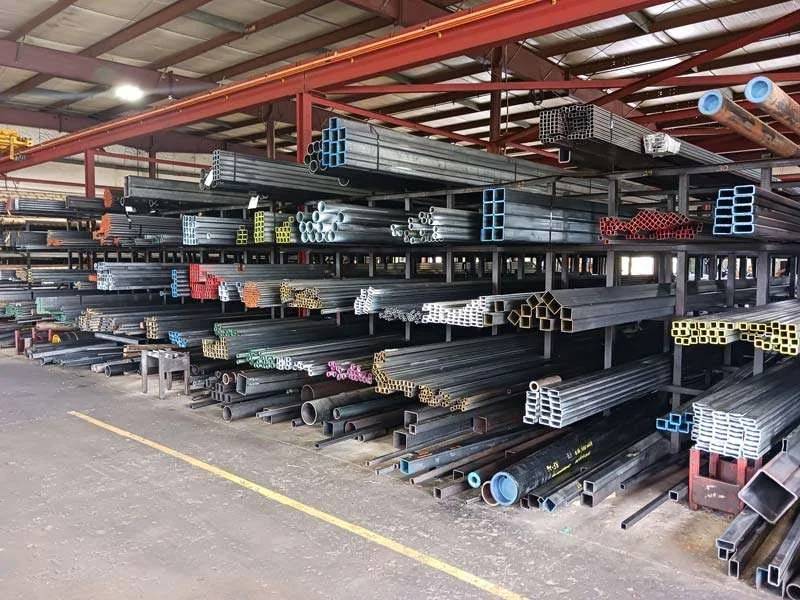
When it comes to sourcing tubing and pipes, finding a reputable supplier is paramount. Among the industry players, McKnight Steel stands out as a trusted name in providing top-notch products and exceptional customer service. With a rich history and commitment to excellence, McKnight Steel has established itself as the go-to-choice for businesses and individuals alike.
History and Expertise:
McKnight Steel boasts a long-standing history in the steel industry. Established in 1954, the company has accumulated a wealth of experience and expertise in metal tubing and pipe distribution. With a solid foundation, McKnight Steel is a reliable partner for all your tubing and pipe needs.
Extensive Product Range:
McKnight Steel maintains an extensive product range. The company offers a vast selection of tubing and pipes, catering to diverse applications and industries. Whether you require carbon steel, stainless steel, alloy, or specialty metals, McKnight Steel has you covered. From standard sizes to custom specifications, McKnight Steel can provide the right tubing and pipes to suit your specific requirements.
Uncompromising Quality:
Quality is of utmost importance when it comes to tubing and pipes, as they often serve critical functions in various applications. McKnight Steel understands this and is committed to delivering quality products with material test reports. When you source tubing and pipes from McKnight Steel, you can rest assured that you are receiving a reliable, durable, and top-performing product.
Cut-to-Length:
Every project has unique requirements, and McKnight Steel understands the importance of having material cut to the necessary lengths. McKnight Steel offers comprehensive cut-to-length options, allowing you to tailor tubing and pipes to your needs. This level of customization ensures that you receive products that seamlessly integrate into your project, saving time and expense.
Timely Delivery:
Meeting project deadlines is crucial, and delays in material delivery can disrupt schedules and cause setbacks. McKnight Steel prides itself on its efficient logistics and prompt delivery services. With a well-established supply chain network and streamlined processes, McKnight Steel ensures that your tubing and pipes reach you on time.
Customer-Centric Approach:
At McKnight Steel, customer satisfaction is key. McKnight Steel’s dedicated team of professionals provides exceptional customer service, offering guidance, technical expertise, and prompt responses to queries. Whether you have questions about product selection, specifications, or any other concerns, the sales team is ready to assist you. With a customer-centric approach, McKnight Steel builds long-term relationships and strives to exceed customer expectations.
Give Us a Try and Choose McKnight Steel:
When it comes to sourcing tubing and pipes, McKnight Steel emerges as a clear choice. With its history, extensive product range, commitment to quality, cut-to-length options, reliable delivery, and customer-centric approach, McKnight Steel has a reputation as a trusted metal supplier. Whether you are involved in machining, metal fabricating, mechanical contracting, metal distribution, equipment manufacturing, construction, the motor sport industry, or any other industry requiring metal tubing and pipes, contact McKnight Steel for a no obligation quote on your tubing and pipe needs.