

Understanding Structural Steel Grades for Construction
A Practical Guide to Structural Steel Grades in Philadelphia, PA
Structural steel is the backbone of modern construction—from commercial buildings to bridges and industrial facilities. Choosing the right grade is essential to ensure strength, safety, and long-term performance.
Not all steel is the same. Different structural steel grades are engineered for specific applications, with defined chemical compositions and mechanical properties. Selecting the wrong grade—especially in load-bearing applications—can lead to costly issues or even structural failure.
This guide explains common structural steel grades, what their specifications mean, and how to choose the right material for your project.
At McKnight Steel & Tube Co., we’ve been supplying high-quality steel products since 1954, helping customers throughout the Philadelphia region make informed purchasing decisions.
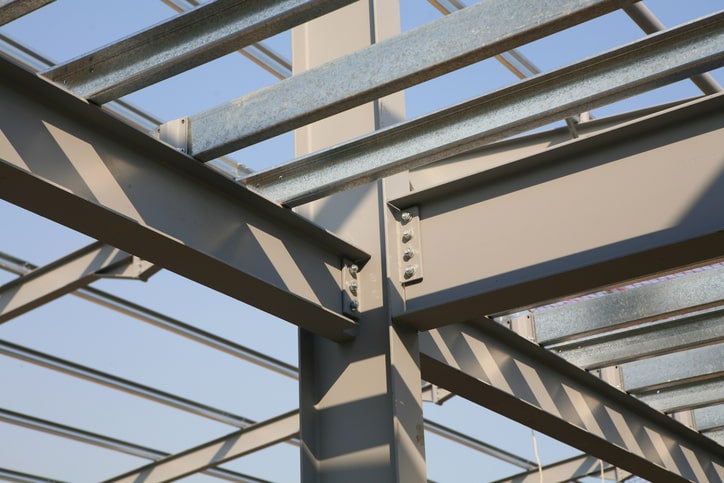
What Are Structural Steel Grades?
Structural steel grades classify materials based on their composition and performance characteristics, such as strength, weldability, and durability.
Organizations like the American Society for Testing and Materials (ASTM) establish standardized specifications so engineers and buyers know exactly what they’re getting. These classifications ensure consistency, safety, and compatibility across construction projects.
Types of Structural Steel Grades
Carbon Steel Grades
Carbon steel is categorized based on the amount of carbon in the material, which directly affects strength and flexibility.
- Low Carbon Steel (up to 0.3%): Also known as mild steel, this is the most commonly used structural material. It is easy to form, cut, and weld—making it ideal for general construction and framing.
- Medium Carbon Steel (0.3%–0.6%): This offers higher strength and durability. It is often used in machinery components and applications where added toughness is required.
- High Carbon Steel (above 0.6%): This type is extremely hard and wear-resistant. It is typically used for tools, blades, and applications requiring maximum durability rather than flexibility.
High-Strength Low-Alloy (HSLA) Steel
HSLA steels are designed to provide greater strength and corrosion resistance than standard carbon steel—without significantly increasing weight.
- Chromium-Alloy Steel: Chromium improves corrosion resistance and durability, making this steel suitable for bridges and exposed structures.
- Nickel-Alloy Steel: Nickel enhances toughness, especially in harsh environments. This makes it a strong choice for offshore, marine, and heavy industrial applications
Common ASTM Structural Steel Grades
ASTM specifications use a letter-and-number system to identify steel types. The letter “A” indicates ferrous metals, while the numbers define specific performance requirements.
Here are some of the most widely used structural steel grades:
- A36: A cost-effective, low-carbon steel commonly used in general construction. It offers excellent weldability and versatility.
- A500 Grade B: Used for structural tubing, including round, square, and rectangular shapes. It is commonly specified for HSS applications and requires a minimum yield strength of 290 MPa.
- A572 Grade 50: A high-strength, low-alloy steel with a minimum yield strength of 50 ksi. It allows for lighter designs without sacrificing structural performance.
- A588 (Weathering Steel): Designed to resist atmospheric corrosion. This grade is often used in outdoor structures where painting or maintenance is limited.
- A992: The modern standard for wide-flange beams and structural shapes. It provides excellent strength, reliability, and weldability in building construction.
Key Properties to Consider When Choosing a Grade
Each grade of structural steel performs differently depending on the application. Before selecting a material, it’s important to evaluate the following properties:
- Strength: Determines how much load the steel can support before deforming.
- Ductility: Allows the steel to bend or stretch under stress without breaking—critical for absorbing loads and impacts.
- Weldability: Affects how easily components can be joined without compromising structural integrity.
- Corrosion Resistance: Essential for structures exposed to moisture, chemicals, or harsh environmental conditions
Frequently Asked Questions
Why Are There So Many Structural Steel Grades?
Each grade is designed for a specific purpose. For example, A36 works well for general applications, while A992 is better suited for heavy structural beams. The right choice depends on load requirements, environment, and design specifications.
Can You Substitute One Steel Grade for Another?
Substituting grades without proper engineering approval can be risky. Different grades have different properties, and using the wrong one can compromise performance and violate building codes. Always confirm specifications before making a change.
How Do You Verify Steel Grades?
Steel suppliers provide Material Test Reports (MTRs) that document the chemical composition and mechanical properties of the material. Reviewing these reports ensures the steel meets the required standards for your project.
Work with a Trusted Steel Supplier
Selecting the right structural steel grade requires experience and attention to detail.
McKnight Steel & Tube Co. has been a trusted, family-owned supplier since 1954, serving customers throughout Pennsylvania and across the United States. We provide a full range of carbon, stainless, aluminum, and alloy products—delivered efficiently and backed by knowledgeable support.
Need help choosing the right steel grade? Contact our team today for expert guidance and fast, reliable service.