
The Different Types of Structural Steel
A Guide to Structural Steel in Philadelphia, PA
Structural steel is one of the most important materials in modern construction. Choosing the right type ensures your project is strong, safe, and built to last.
With so many options available, it’s common to wonder which type of structural steel is best for your application. This guide breaks down the most common steel types, shapes, and connection methods so you can make a confident decision.
At McKnight Steel & Tube Co., we’ve been supplying quality steel products since 1954. Our team is here to help you find the right materials for any project in the Philadelphia area and beyond.
Common Types of Structural Steel Materials
The first step in selecting structural steel is choosing the proper material composition. Different steels offer varying levels of strength, flexibility, and corrosion resistance.
Here are the most widely used types:
- Carbon Steel: Carbon steel is made primarily of iron and carbon. It is one of the most commonly used structural materials because it offers a strong balance of strength, affordability, and workability. Low-carbon steel is especially popular because it is easy to form and weld.
- High-Strength Low-Alloy (HSLA) Steel: HSLA steel contains small amounts of alloying elements such as manganese or vanadium. It delivers improved strength and corrosion resistance compared to standard carbon steel—often allowing for lighter structures without sacrificing performance.
- Forged Steel: Forged steel is shaped under high pressure, making it denser and more durable than many other types. This process enhances impact resistance, making it ideal for demanding structural applications.
- Quenched and Tempered Alloy Steel: This steel undergoes controlled heating and rapid cooling to increase toughness and durability. It performs well in heavy-duty environments such as construction, infrastructure, and mining equipment.
Types of Structural Steel Shapes and Sections
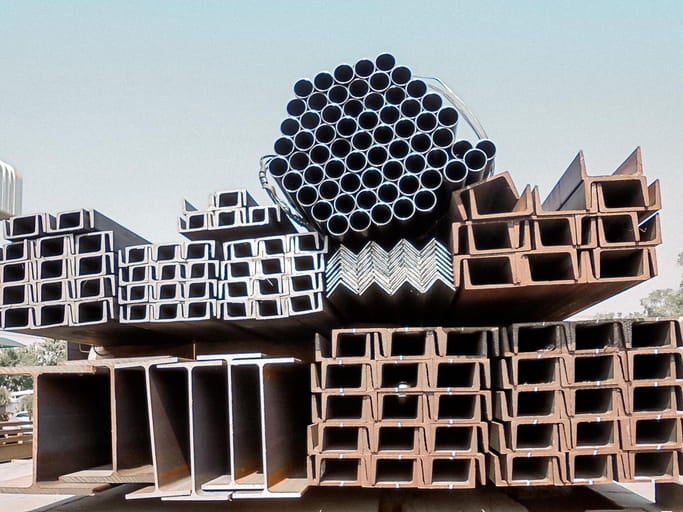
Once you’ve selected the right material, the next step is choosing the correct shape. Each structural section is designed to handle specific loads and stresses.
- I-Beams: I-beams are one of the most common structural shapes. They provide excellent resistance to bending and are widely used in building frames and load-bearing applications.
- Channel Sections (C-Channels): Channel sections offer strong support and are frequently used in commercial construction and transportation equipment.
- Angle Shapes: These L-shaped components are often used for bracing and connections. They provide strength while helping tie different structural elements together.
- Hollow Structural Sections (HSS): HSS shapes include square, rectangular, and round tubing. They offer high strength and excellent resistance to twisting, making them ideal for columns and architectural structures.
- Steel Plates: Steel plates are flat sheets that can be cut to custom sizes. They’re commonly used to reinforce structures, foundations, and bridge components.
Types of Connections in Steel Structures
Strong connections are critical to the integrity of any steel structure. The right connection method ensures loads are safely transferred throughout the framework.
- Welded Connections: Welding fuses steel components together, creating a rigid and permanent bond. This method is ideal when maximum strength and durability are required.
- Bolted Connections: Bolted joints use high-strength fasteners to connect steel members. They are quick to assemble and allow for easier adjustments or future modifications.
- Riveted Connections: While less common today, riveted connections are still found in older structures. They involve fastening steel with heated metal pins that are then formed into place.
Frequently Asked Questions
What Are the Advantages of HSLA Steel?
HSLA steel allows you to reduce weight without losing strength. This can lower transportation costs and reduce the load on your foundation.
How Do I Choose the Right Structural Steel Shape?
Your choice depends on how the structure will handle weight and stress. For example, I-beams are ideal for horizontal loads, while hollow sections perform well for vertical columns and torsional resistance.
Work with a Trusted Steel Supplier
Choosing the right structural steel is easier when you have an experienced partner on your side.
McKnight Steel & Tube Co. has been family-owned and operated since 1954, supplying high-quality steel products across the Philadelphia region and nationwide. With a reliable delivery fleet and industry expertise, we help ensure your project stays on track.
Need help selecting the right materials? Contact our team today for expert guidance and fast service.